You turn on the faucet – and your RV water smells like rotten eggs or musty socks.
That’s not just unpleasant – it’s a sign of bacteria buildup or contamination somewhere in your system. And if you don’t fix it, it usually gets worse.
The good news? 👉 In most cases, you can fix RV water smell in minutes with a simple, low-cost solution.
Whether the odor is coming from your freshwater tank, hose, or water heater – the cause is almost always one of a few common issues – and each one has a proven fix.
In this guide, you’ll learn exactly what’s causing the smell and the fastest way to get rid of it.
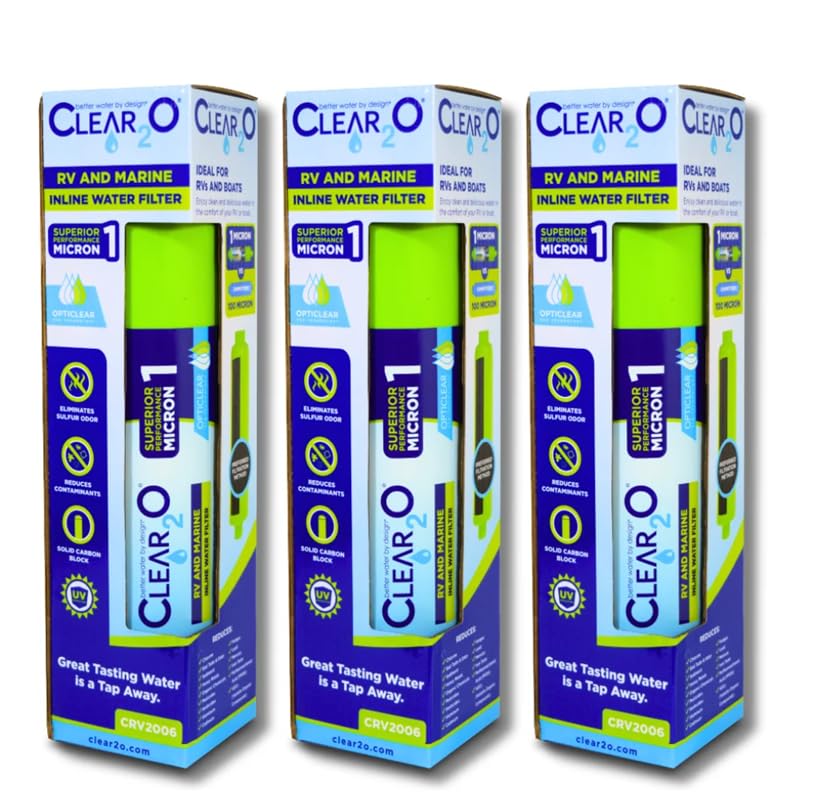
⚠️ The fix most people miss: they treat the symptom (the smell) instead of the source. A single inline RV water filter – like the Camco TastePURE or Clear2O RV water filter – installed at the spigot solves most cases in minutes. No tools, no plumber.
Always connect through a quality inline filter – what comes out of the campground spigot isn’t always what you want going into your tank.
Why Does RV Water Smell Bad? The Most Common Causes
RV water smells bad for different reasons depending on where the smell is coming from. Before you buy anything, identify the source – this determines the fix.
Smell
Likely Source
Quick Fix
🥚 Rotten eggs / sulfur
Water heater anode rod or bacteria in tank
Replace anode rod or sanitize tank
🏊 Chlorine / bleach
Campground water supply or recent sanitization
Inline carbon filter at spigot
🍄 Musty / moldy
Bacteria buildup inside freshwater tank or hoses
Full tank sanitization + filter
🪨 Metallic / earthy
Old hoses, pipes, or mineral-heavy water source
Replace hose + inline filter
🧴 Plastic smell
New RV or hoses not flushed properly
Flush system thoroughly, use filter
When Do You Actually Need an RV Water Filter?
Most Common Cause
🚰 The Water Source Itself Is the Problem
Campground water hookups vary wildly in quality. Some are heavily chlorinated, others have high mineral content, and some carry bacteria from aging infrastructure. Your RV’s freshwater system has no built-in filtration — whatever comes in from the spigot goes straight to your tap.
An inline RV water filter installed between the campground spigot and your RV’s water inlet solves this immediately. It takes less than a minute to connect and requires no tools.
Always use a filter rated for drinking water (NSF/ANSI 42 or 53 certified). This removes chlorine, sediment, and most odor-causing compounds before they enter your tank.
Second Most Common
🦠 Bacteria Has Built Up in Your Freshwater Tank
If you leave water sitting in your freshwater tank for extended periods — especially in warm weather — bacteria and algae can grow inside the tank and hoses. This is what causes that musty or sulfur-like RV water smell even when connected to a clean source.
The fix is a full tank sanitization:
Drain the freshwater tank completely
Mix ¼ cup of bleach per 15 gallons of tank capacity
Fill the tank with the bleach solution and run it through all faucets
Let it sit for 4–12 hours, then drain and flush thoroughly with fresh water
Install an inline filter before refilling
Sanitize your freshwater tank at least twice a year — once before storage and once before the season starts. This prevents buildup before it becomes a smell problem.
Often Overlooked
🔧 The Water Heater Anode Rod Is Failing
If the smell is strongest when running hot water only, the culprit is almost always the water heater’s magnesium anode rod. As it degrades, it reacts with sulfates in the water and produces hydrogen sulfide — the classic rotten egg smell.
The fix is simple:
Turn off and drain the water heater
Remove the anode rod (usually a hex plug on the outside of the heater)
Replace with an aluminum/zinc anode rod — these produce significantly less sulfur smell than magnesium rods
Check the anode rod every 1–2 years. A rod that’s more than 50% depleted should be replaced regardless of smell.
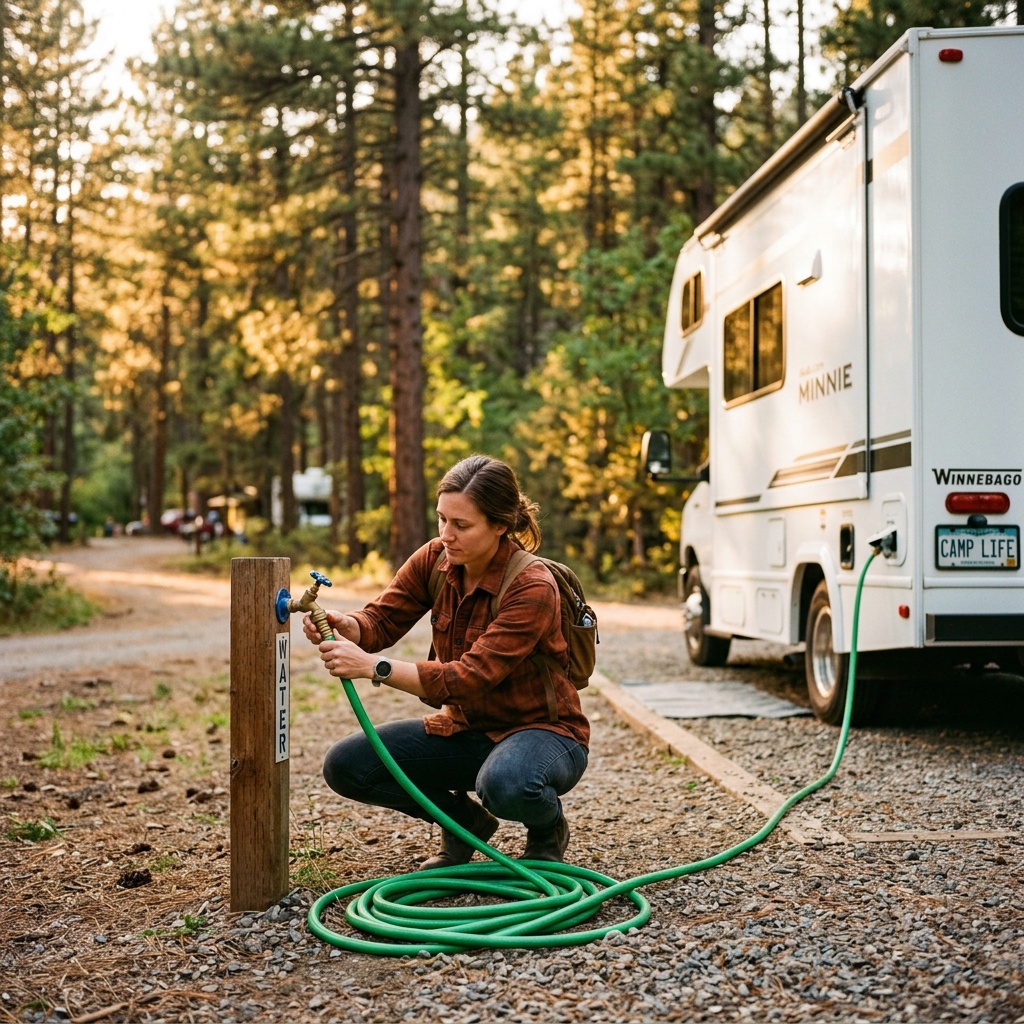
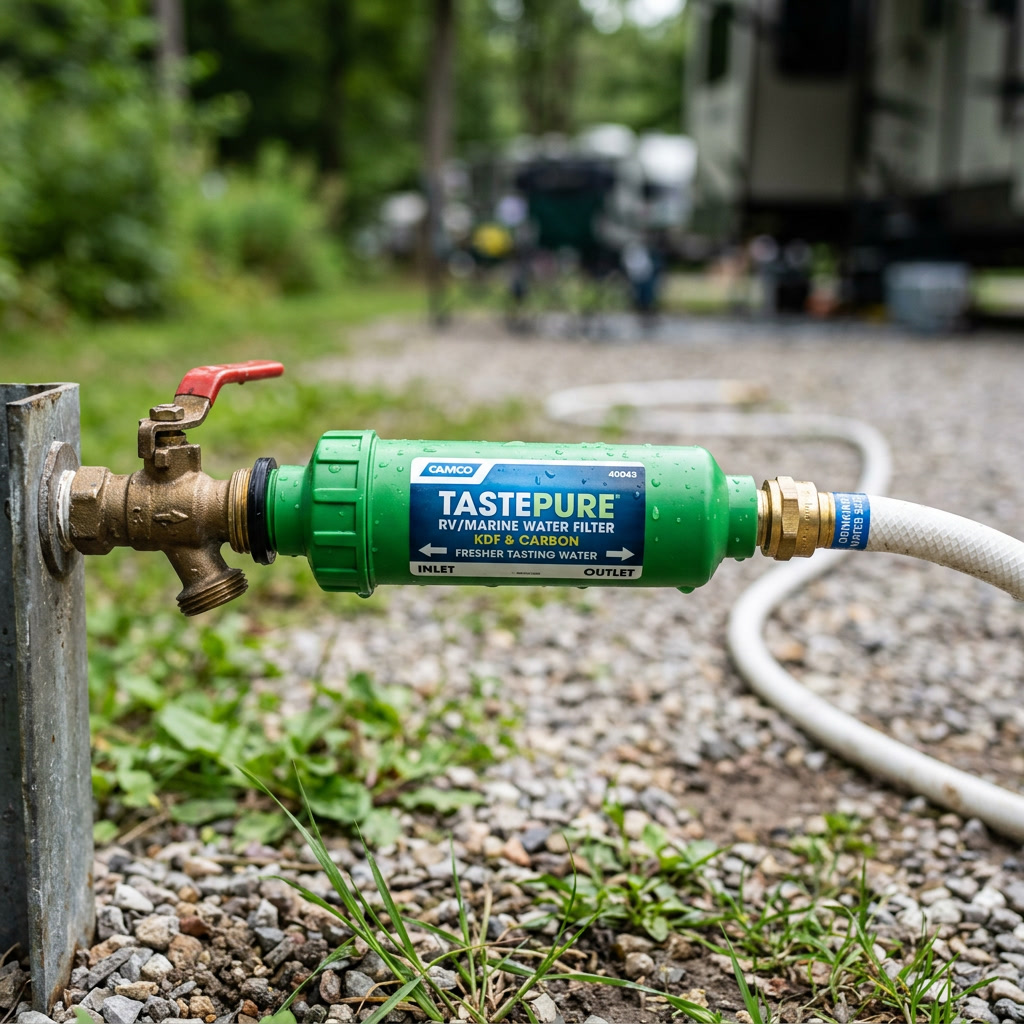
Inline RV water filter connected at the campground spigot – the fastest fix for RV water that stinks.
Types of RV Water Filters – Which One Do You Need?
Not all RV water filters are the same. Here’s a quick breakdown of the main types and when to use each:
🏆
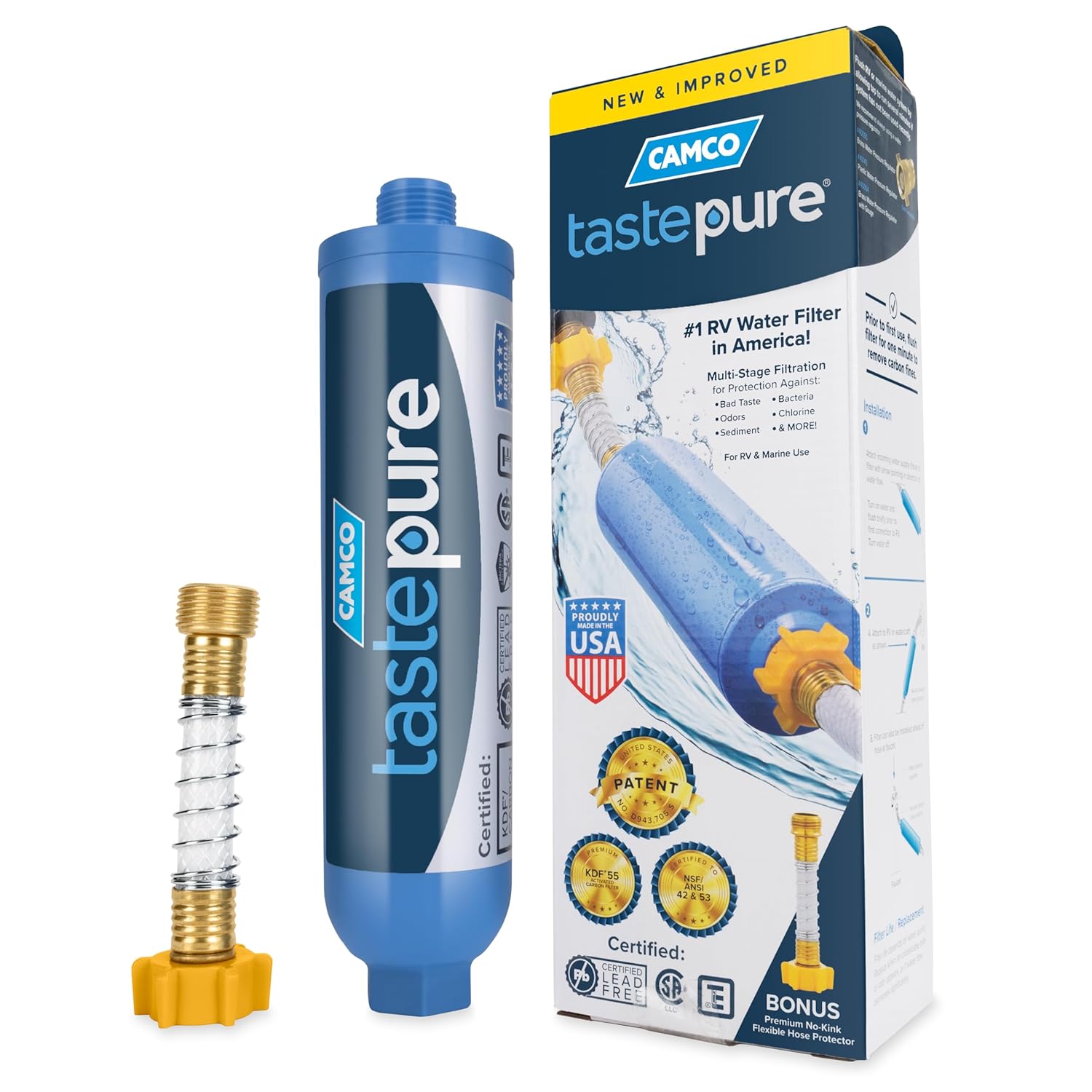
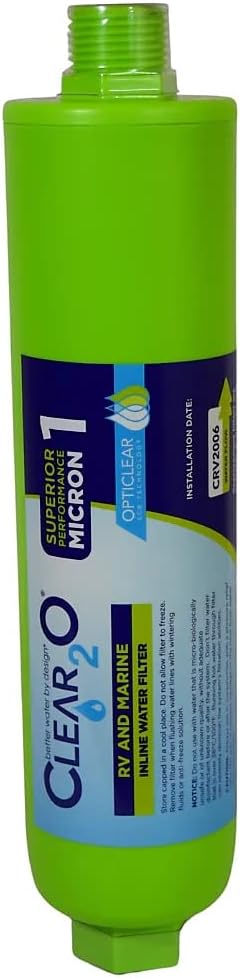
Inline Carbon FilterAttaches between spigot and RV inlet. Removes chlorine, sediment, and odors. Best for most RV owners. The Camco TastePURE and Clear2O RV water filter are top choices in this category.
💧
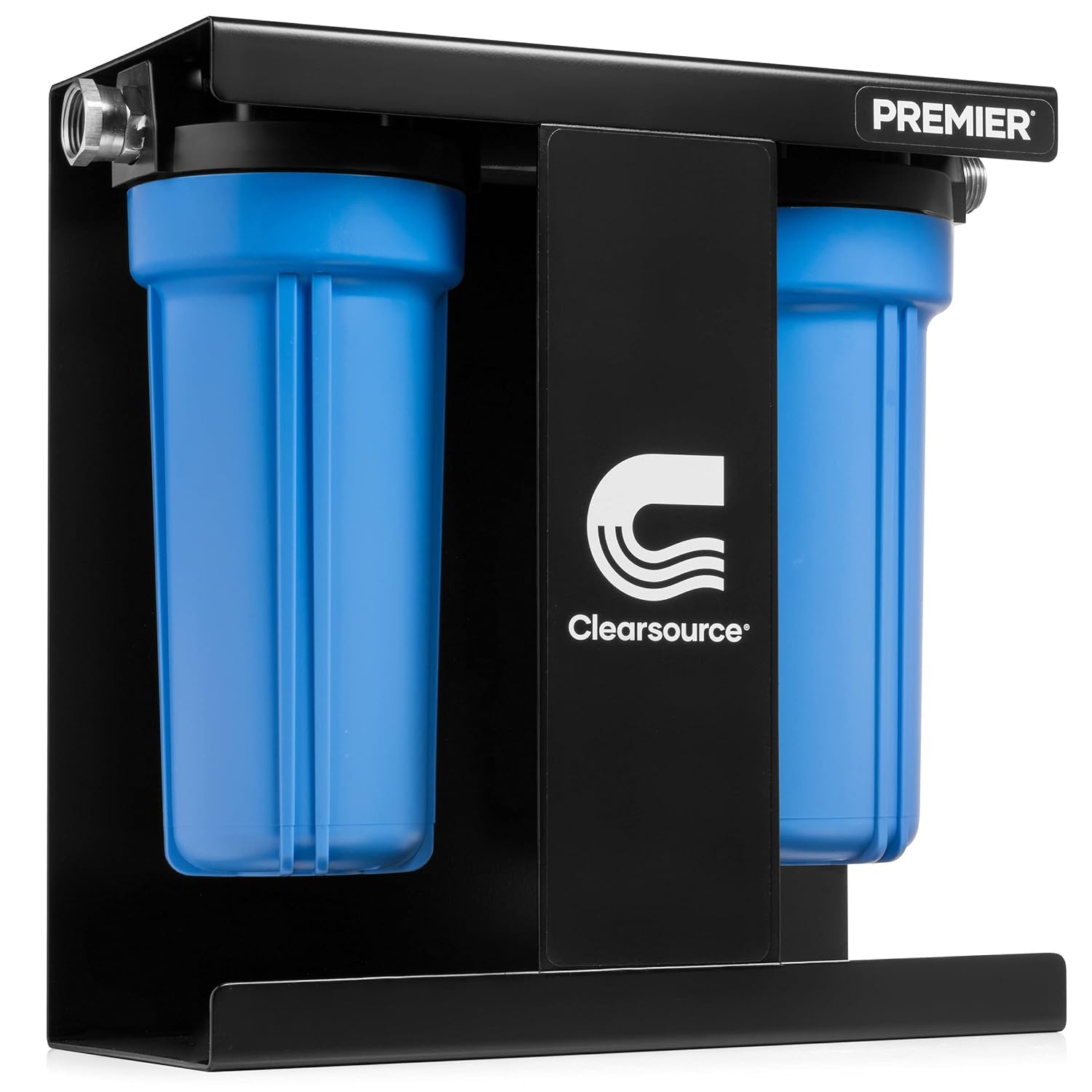
Two-Canister SystemLike the ClearSource RV water filter system – hospital-grade multi-stage filtration. Best for full-timers or anyone whose RV water stinks persistently despite inline filters.
🔬
Reverse OsmosisMost thorough filtration available. Usually installed under-sink inside the RV. Best for drinking water — slower flow rate, higher cost.
🧂
Portable Water Softeners for RVsReduces hard water mineral buildup that causes metallic or earthy smell. Portable water softeners for RVs are ideal for areas with very hard water — doesn’t replace a carbon filter.
Bottom line: For most RV owners, a simple inline carbon filter is all you need. It costs $15–$30, installs in seconds, and solves the majority of RV water smell problems immediately.
Recommended RV Water Filters – From Budget to Premium
Not all water filtration companies build products for the specific demands of RV use. These four options cover every budget and use case, and are all purpose-built for campers and RV owners:
Clean RV water isn’t luck – it’s the right filter. One simple inline filter is all it takes to go from water that stinks to water you actually want to drink.
How Long Do RV Water Filters Last?
Important to Know
⏱️ Filter Lifespan by Type
Inline carbon filter — typically 2–3 months or 3,000 gallons, whichever comes first
KDF / carbon combo — 3–6 months depending on water quality and usage
Reverse osmosis membrane — 1–2 years for the membrane; pre-filters every 6 months
Water softener resin — needs regeneration every few weeks; resin lasts several years
A filter past its lifespan doesn’t just stop working — it can actually release trapped contaminants back into your water. Replace on schedule, not just when the smell returns.
Write the installation date on the filter with a marker. It takes 5 seconds and saves you from guessing when it’s time to replace it.
Common Mistakes That Make RV Water Stink Worse
❌ Using a garden hose instead of a drinking water hose — standard garden hoses leach chemicals and have a strong plastic smell. Always use a white NSF-certified drinking water hose.
❌ Skipping camper water tank cleaner treatments — if your camper water stinks even with a filter, the tank itself may be the problem. Regular use of a camper water tank cleaner like Clear2O TankFRESH prevents bacterial buildup before it starts.
❌ Leaving water sitting in the tank for weeks — stagnant water breeds bacteria fast, especially in warm weather. Drain and sanitize if the RV has been unused for 2–3 weeks or more.
❌ Skipping the filter because the water looks clean — odor-causing bacteria and chlorine are invisible. A clear glass of water can still smell and taste terrible without filtration.
❌ Ignoring the hot water side — if only your hot water stinks, the water heater anode rod is the issue. No filter will fix this — the rod needs to be replaced.
❌ Not using a portable water softener in hard water areas — portable water softeners for RVs eliminate the metallic and earthy smells that carbon filters alone can’t fully address.
FAQ – RV Water Smell, Filters & Filtration
Why does my RV water smell like rotten eggs?
The most common cause is the magnesium anode rod in your water heater reacting with sulfates in the water. Replace it with an aluminum/zinc rod. If both hot and cold water stink, bacteria in the freshwater tank is likely the cause — sanitize the tank with a camper water tank cleaner and install an inline filter like the Camco TastePURE or Clear2O RV water filter.
What’s the difference between the Clear2O RV water filter and the ClearSource RV water filter system?
The Clear2O RV water filter is an affordable inline filter that connects directly to the campground spigot — great for most RV owners. The ClearSource RV water filter system is a premium two-canister setup with hospital-grade 0.2-micron filtration, designed for full-timers who want the highest level of water quality and don’t want to replace filters every few months.
Is an inline RV water filter enough, or do I need a full system?
For most RV owners, a simple inline carbon filter like the Camco TastePURE installed at the campground spigot is sufficient. It removes chlorine, sediment, and odors before they enter your system. A full system like ClearSource is worth considering for full-timers or those in areas with consistently poor water quality.
How do I clean my camper water tank if the water still stinks after filtering?
If your camper water stinks even with a filter installed, the problem is inside the tank. Drain it fully, then mix ¼ cup of unscented bleach per 15 gallons of tank capacity. Fill with the solution, run through all faucets, let sit for 4–12 hours, then flush thoroughly. Follow up with a dedicated camper water tank cleaner treatment to prevent future buildup.
Do I need a portable water softener for my RV?
Only if you’re camping in areas with very hard water — typically the Southwest US. Hard water causes scale buildup on appliances and a distinct metallic or earthy taste. Portable water softeners for RVs connect inline just like a filter and regenerate with salt. They work best in combination with a carbon filter, not as a replacement for one.
How often should I replace my RV water filter?
Most inline carbon filters like the Camco TastePURE should be replaced every 2–3 months or 3,000 gallons. The Clear2O RV water filter lasts up to 3 months. The ClearSource RV water filter system cartridges typically last 6 months or longer. Write the installation date on the filter so you don’t lose track.
Final Thoughts
Whether your RV water stinks like sulfur or your camper water stinks of chlorine or mildew — the fix is almost always faster and cheaper than you’d expect. Start with an inline filter. If the smell persists, sanitize the tank with a camper water tank cleaner. If it’s only hot water, check the anode rod.
Most RV owners solve this completely within an afternoon — without a plumber and without spending more than $30. For full-timers who want long-term peace of mind, upgrading to the ClearSource RV water filter system is worth every penny.
The recreational vehicle (RV) lifestyle is deeply ingrained in the American spirit, offering unparalleled freedom and adventure across the nation’s diverse landscapes. With the US RV market projected to reach a valuation of $2.23 billion in 2024 and continue its steady growth, the need for stringent, smart RV maintenance has never been more critical. This…
Whether you’re dealing with RV sewage smell in a motorhome or a travel trailer sewer smell that just won’t quit — you’re not alone, and you’re not stuck with it. After testing multiple treatments and talking to full-time RV owners, we’ve put together the most effective solutions that actually eliminate the odor, not just mask…
Not all RV water filter systems are built for off-grid use. Here’s exactly what you need when the source is a well, stream, or unknown fill station. ⚠️ Wrong guide? If your problem is RV water that smells bad from a campground hookup, this isn’t it. See: Why Your RV Water Smells Bad – And…