Comparison · Rules checked Nov 2026
Boondocking Locations for RVs: BLM Land vs State Parks vs Harvest Hosts
Where you camp without hookups decides the cost, the rules and how long you can stay. Here is how the three most popular options compare.
On this page
Boondocking means camping without hookups: no water, power or sewer connection, so the RV runs on its own tanks, batteries and solar. Where you do it changes almost everything else, from the cost and the rules to how long you can stay. This guide compares the three places RVers ask about most: public BLM land, state parks and Harvest Hosts.
The three options side by side
| BLM land | State parks | Harvest Hosts | |
|---|---|---|---|
| Cost | Free for dispersed camping | About $20-$55 a night | $99 a year, plus a purchase at each host |
| Stay limit | Usually 14 days in any 28-day period | Set by each park | 1 night, some hosts allow more |
| Booking | None in most areas | Reservations, especially in peak season | Request each stay through the app |
| Facilities | None | Often water, restrooms and a dump station | Usually none, some offer hookups for a fee |
| Your RV needs | Full self-sufficiency and suitable clearance for dirt roads | Nothing special | A toilet and a way to cook inside |
| Best for | Long, cheap stays in open country | First-timers and families | Interesting one-night stops on travel days |
BLM land: free, open and on your own
Best for: self-sufficient RVers who want space, quiet and long stays for free.
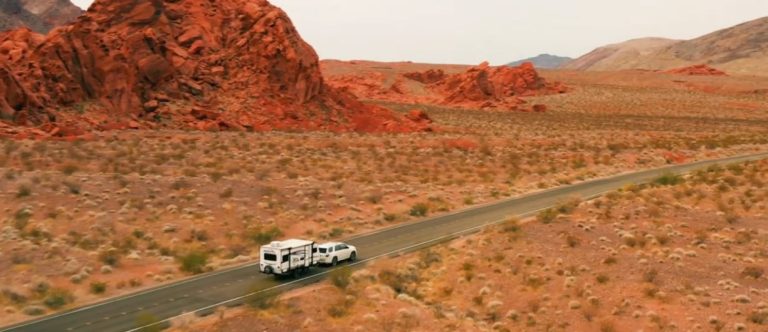
The Bureau of Land Management looks after huge areas of public land, most of it in the western states. Most BLM land allows dispersed camping, meaning camping outside a campground, unless an area is posted as closed. Dispersed camping is free, and most areas need no permit or reservation.
- Stay limit: generally 14 days within any 28-day period. After that you have to move, often at least 25 to 30 miles away. Limits vary by state and field office, so check the local office’s rules.
- No services: no water, power, toilets or trash pickup. Arrive with full fresh water, empty waste tanks and a plan for power.
- Pack out everything: trash and waste water included. Dumping gray water on the ground is illegal on public land.
- Roads: many sites are on dirt roads that get rough or muddy. Scout before you drive a large rig in, and check the weather.
- Fires: some regions need a permit for campfires, and fire bans are common in dry seasons.
BLM also runs developed campgrounds. Some charge a fee, which you pay within 30 minutes of taking a site. Most are first-come, first-served, and some take reservations on Recreation.gov.
Skip it if: your RV can’t go several days without hookups, or you’re not comfortable being far from help and cell service.
State parks: structure and basic facilities
Best for: first boondocking trips, families and anyone who wants a marked site and a few facilities.
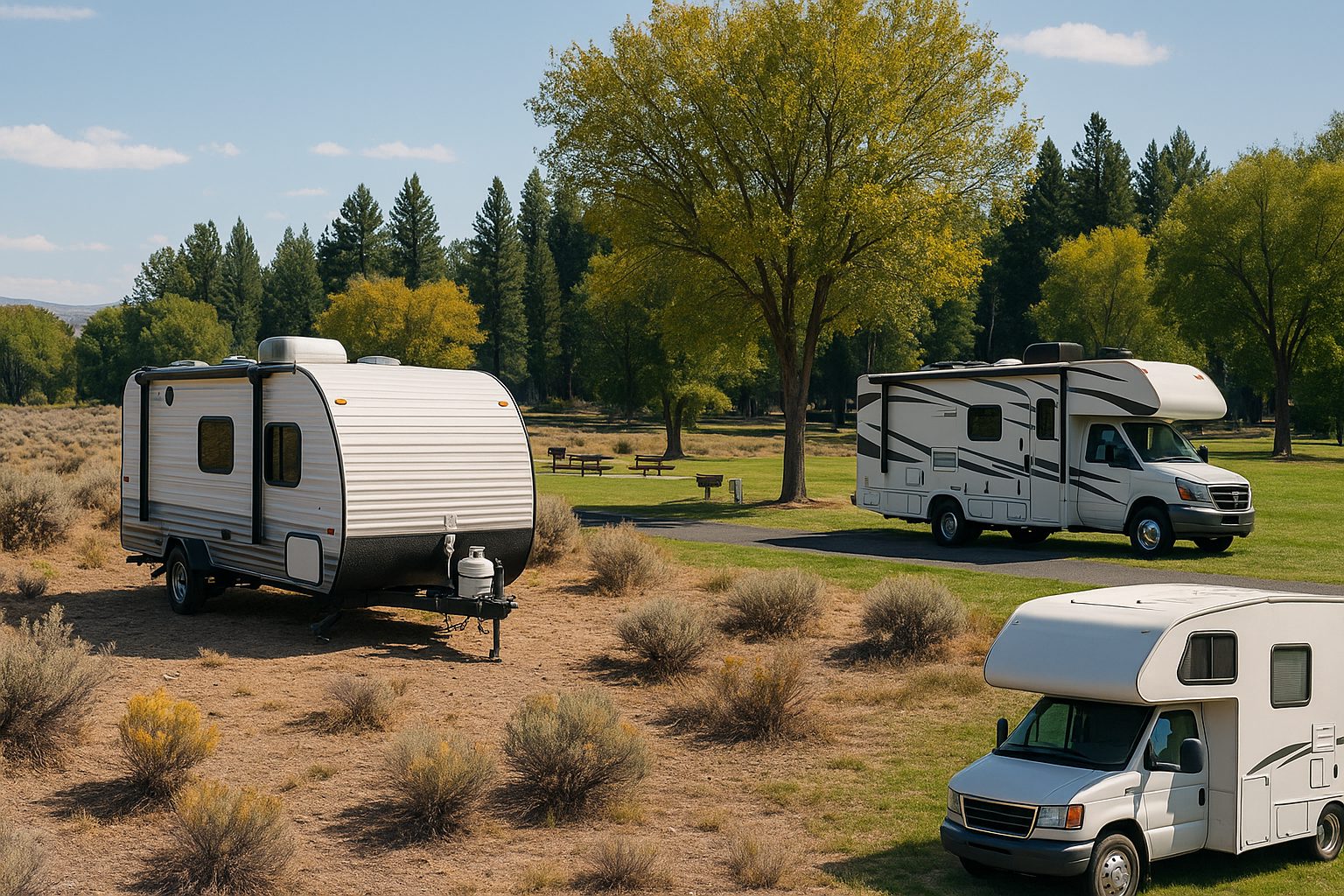
Most state parks are campgrounds with marked sites, and many have sites without hookups. Those sites are the “boondocking” option here: you camp on your own tanks, but water, restrooms and often a dump station are a short walk or drive away.
- Cost: about $20 to $55 a night as a planning range, and some states add a daily entrance or vehicle fee.
- Reservations: popular parks fill up early in summer and on holiday weekends. Book ahead.
- Rules: quiet hours, generator hours, check-in times and stay limits are set by each state and park.
- Size limits: older parks may have short or tight sites. Check the maximum RV length for the site before you book.
Skip it if: you want free camping, last-minute flexibility in peak season, or space between you and the next site.
Harvest Hosts: one-night stops at local businesses
Best for: self-contained RVs that want a memorable place to sleep between destinations.
Harvest Hosts is a paid membership. The Classic plan costs $99 a year and gives access to more than 5,700 wineries, farms, breweries and other small businesses across North America that let members stay overnight. There is no nightly fee.
- Self-contained RVs only: your RV needs a toilet and a way to cook inside. Tents, rooftop tents and vehicles without a bathroom aren’t eligible.
- Buy something: Harvest Hosts suggests spending about $30 or more per stay at the host’s business. Paying for hookups, where offered, counts toward it.
- One night is standard: some hosts allow up to four extra nights, often for a small fee.
- Ask first: request every stay through the app, arrive during business hours and never show up without an approved request.
Our RV memberships guide compares Harvest Hosts with Passport America, Boondockers Welcome and Escapees, and our Harvest Hosts coupon page lists current discounts.
Skip it if: you need several nights in one place, your RV has no bathroom, or you’d rather not spend money at each stop.
Which one fits your trip
- You want to stay a week or more for free: BLM land, if your RV can handle it.
- It’s your first time without hookups: a dry site at a state park, with water and a dump station close by.
- You’re crossing the country and need a place for one night: Harvest Hosts.
- You travel with kids: state parks are the easiest, with restrooms, trails and ranger programs.
- You work from the road: any of the three can work, but check cell coverage for the exact spot first. Remote BLM land often has none.
Many RVers mix all three on one trip: free BLM nights for the scenery, a state park every few days to fill water and dump tanks, and a Harvest Hosts stop on long driving days. Our RV trip cost per day guide shows how much free nights lower the total.
Two more options worth knowing
- National Forest dispersed camping: works much like BLM land, with a typical 14-day limit, and it covers forests and mountains, including in the eastern US where there’s little BLM land.
- Boondockers Welcome: a membership ($79 a year) for stays of 1 to 5 nights on private property, from driveways to small acreages. Hosts don’t charge for the stay.
For all the legal places to park overnight for free, including rest areas and store parking lots, see our free overnight RV parking guide.
Watch the comparison
A short video from our YouTube channel that walks through the same three options.
Sources and method
BLM stay limits and fees come from the Bureau of Land Management’s camping page. Harvest Hosts prices and stay rules come from Harvest Hosts’ own help and guide pages. The state park price range is a planning range from our trip cost guide, not a survey. All checked November 7, 2026.
Frequently asked questions
How long can you boondock on BLM land?
Dispersed camping on BLM land is generally limited to 14 days within any 28-day period. After that you have to move, often at least 25 to 30 miles away. Limits vary by state and field office, so check the local rules.
Is boondocking on BLM land free?
Yes, dispersed camping on BLM land is free, and most areas need no permit or reservation. Developed BLM campgrounds can charge a fee, and some regions require permits for campfires or large groups.
Can you boondock in a state park?
Many state parks have campsites without hookups, where you camp on your own tanks while water, restrooms and often a dump station are nearby. You still pay a nightly fee, roughly $20 to $55, and some states add an entrance fee.
Is Harvest Hosts free camping?
There is no nightly fee, but the membership costs $99 a year for the Classic plan, and Harvest Hosts suggests spending about $30 or more at the host's business on each stay.
Do I need a self-contained RV for Harvest Hosts?
Yes. Your RV needs a toilet and a way to cook inside. Tents, rooftop tents and vehicles without a bathroom aren't eligible.
Which boondocking option is best for beginners?
A site without hookups at a state park. You practice living on your tanks and batteries, with water, restrooms and a dump station close by if something runs low.
Safety and disclaimer. This guide is general information. Rules on public land and in state parks change and vary by location, so check with the local land office or park before you go, and follow posted signs. How we research. The Harvest Hosts button on this page is an affiliate link. RVOutdoorLife may earn a commission if you join through it, at no extra cost to you.
One Comment
Comments are closed.