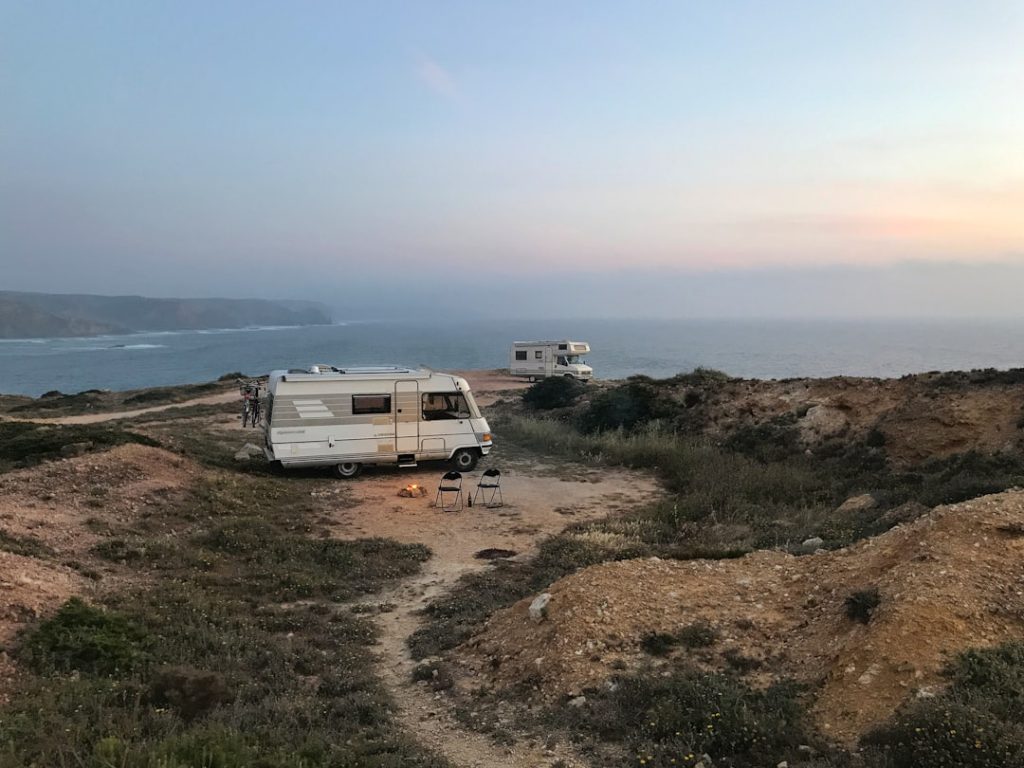
Here’s a secret that will change how you book campsites forever: those ‘overflow’ or ‘dry camping’ sites that parks reluctantly offer for $15-$25 less often have better views, more privacy, and easier access than premium sites. I discovered this accidentally when Yellowstone’s ‘regular’ sites were full, and the ranger grudgingly offered an overflow spot that turned out to have the best sunrise view in the entire campground.
The dirty truth? Campgrounds intentionally undersell overflow areas to maximize revenue from premium sites. But here’s what former campground managers told me: overflow sites are often positioned in prime locations but lack full hookups, so parks can’t charge premium rates. Many have partial hookups (water/electric) that meet 90% of most RVers’ needs for significantly less money.
The veteran RVer strategy that sounds backwards but works:
- Specifically request overflow sites when booking—many parks have them but don’t advertise them online
- Call parks directly instead of using booking sites; overflow inventory rarely appears on Reserve America or KOA websites
- Book overflow sites at state parks for $12-$18/night vs $35-$45 for ‘premium’ sites with identical amenities
- Arrive early at first-come, first-served parks and scout overflow areas before committing to expensive sites
The shocking result? Smart RVers save $1,500-$2,500 annually on camping fees while often getting superior experiences. That ‘lesser’ site category is actually the insider’s choice that campground revenue models try to hide.