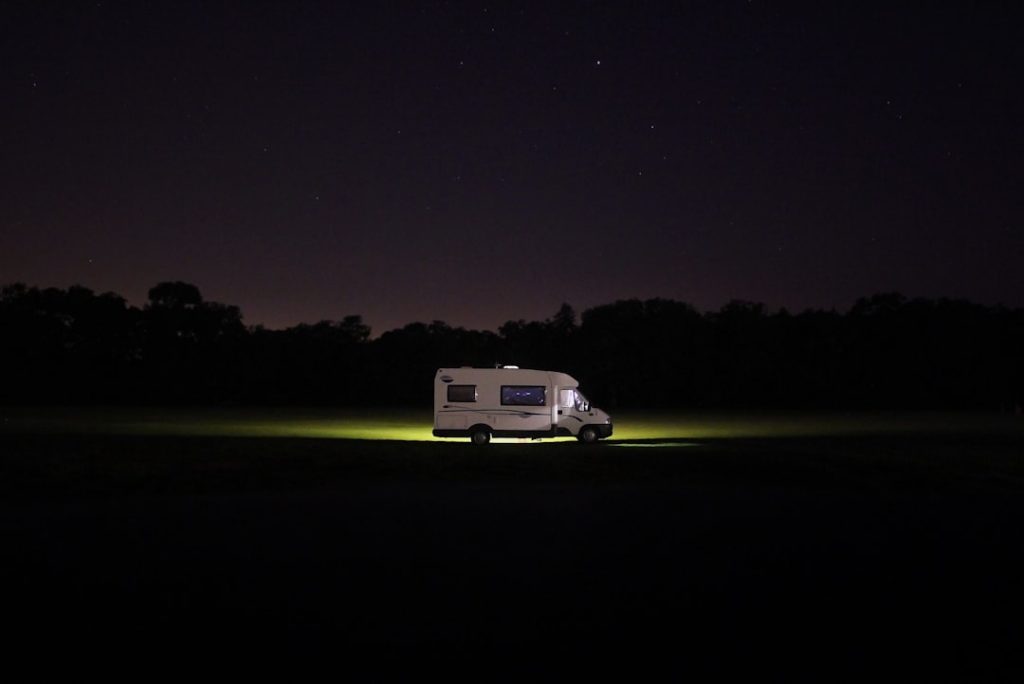
Most RVers assume boondocking means going completely off-grid, but seasoned dry campers know about legal ‘utility tapping’ that can cut camping costs from $40-60/night to virtually free—while staying completely within the law. The secret lies in understanding utility easements and public infrastructure access rights that 95% of RVers never learn about.
Here’s the shocking reality: thousands of perfectly legal water spigots, electrical outlets, and even dump stations sit unused across America because they’re tucked away in utility easements, rest areas, and public facilities that don’t advertise these services. For example, many highway rest stops have ‘maintenance bays’ with 30-amp power designed for cleaning crews—but they’re legally accessible 24/7 to anyone who asks permission from the facility manager.
The game-changer knowledge comes from understanding the difference between ‘trespassing’ and ‘easement access.’ Public utilities are required by federal law to provide access points for maintenance, and many of these are legally usable by the public during off-hours. One veteran boondocker showed me his secret: a $15 water key set that opens municipal water access points found at parks, fairgrounds, and government facilities nationwide.
Advanced boondockers use these strategies:
- Apps like iOverlander and Campendium mark verified free utility access points
- Many 24-hour businesses (truck stops, big box stores) allow overnight electrical use if you ask management and spend $20-30 in their store
- County fairgrounds and 4-H facilities offer $10-15/night camping with full hookups during off-season
- Some cities provide free RV utilities at visitor centers and welcome stations
The math is incredible: traditional RV parks cost $1,200-2,400 per month for full-timers. Smart boondockers using these legal utilities spend $200-400 monthly while enjoying the same amenities. It’s not cheating—it’s understanding infrastructure that’s already paid for by your tax dollars.