💡 Key Recommendation
Add dedicated smoke detectors to each sleeping area and kitchen zone for comprehensive fire protection
Why This Matters
Fire spreads with devastating speed in the confined space of an RV, often giving occupants just 2-3 minutes to escape once flames begin. The standard single smoke detector placed in the main living area creates dangerous blind spots in sleeping quarters and the kitchen zone where fires commonly originate from cooking accidents or electrical issues. These blind spots can delay critical early warning by precious minutes, potentially trapping occupants in bedrooms or allowing kitchen fires to spread beyond containability before detection.
Installing smoke detectors in all sleeping areas plus the kitchen zone creates a comprehensive early warning network that can mean the difference between a manageable emergency and a tragedy. Kitchen fires account for nearly 50% of RV fire incidents, while sleeping area fires often go undetected until smoke has already filled escape routes. Multiple strategically placed detectors ensure that no matter where a fire starts, occupants receive immediate warning with maximum time to evacuate safely.
📋 Industry Standards & Best Practices
The National Fire Protection Association (NFPA) 1192 standard for RVs recommends smoke detectors in each sleeping room, outside each sleeping area, and on every level of the RV. However, many RV manufacturers only install the minimum single detector to meet basic regulations. Fire safety experts specifically advocate for kitchen zone detection due to the high concentration of ignition sources including propane appliances, electrical systems, and cooking equipment in RV galleys. Industry best practice calls for interconnected smoke detectors that trigger all units simultaneously when one detects smoke.
🎯 Product Recommendations
Install photoelectric smoke detectors in each individual sleeping area, mounted on the ceiling at least 4 inches from walls to ensure optimal smoke detection coverage
Place a heat detector rather than smoke detector directly in the kitchen area to avoid false alarms from cooking, with a photoelectric smoke detector positioned just outside the galley zone
Use interconnected wireless smoke detectors that communicate with each other, so when one unit detects smoke, all detectors throughout the RV sound their alarms simultaneously
Complete Guide
The primary problem with single-detector setups is that fires starting in bedrooms, bunk areas, or the kitchen may not trigger the main detector until flames have already blocked escape routes. RV bedroom fires often begin with electrical issues in charging devices, overheated mattresses from faulty heating pads, or lint buildup in clothes storage areas. Kitchen fires from unattended cooking or grease buildup can spread before reaching the living area detector.
Install battery-powered smoke detectors specifically designed for RVs in each distinct sleeping area. This includes the master bedroom, bunk rooms, and convertible dinette sleeping spaces. Choose detectors with photoelectric sensors, which respond faster to smoldering fires common in RVs from electrical issues or overheated fabrics.
For the kitchen zone, position a smoke detector at least 10 feet from cooking appliances to prevent false alarms from normal cooking smoke, but close enough to detect actual fire. Mount it on the ceiling between the kitchen and dining area, where it can sense kitchen fires without triggering during meal preparation.
Proper mounting height is critical in RVs due to unique airflow patterns. Install detectors on the ceiling at least 4 inches from walls, or on walls 4-12 inches from the ceiling. Avoid areas near air conditioning vents, fans, or windows where airflow might prevent smoke from reaching the sensor.
Test all detectors monthly using the test button, and replace batteries annually or when low-battery chirping begins. Keep spare batteries in your RV emergency kit. Interconnected wireless detectors offer the best protection, as they all sound when any single unit detects smoke, ensuring sleeping occupants hear alarms even from distant fires.
Create and practice a fire escape plan with your family, identifying primary and secondary exits from each sleeping area. Remember that RV fires can fully engulf the vehicle in under 5 minutes, making immediate evacuation essential.
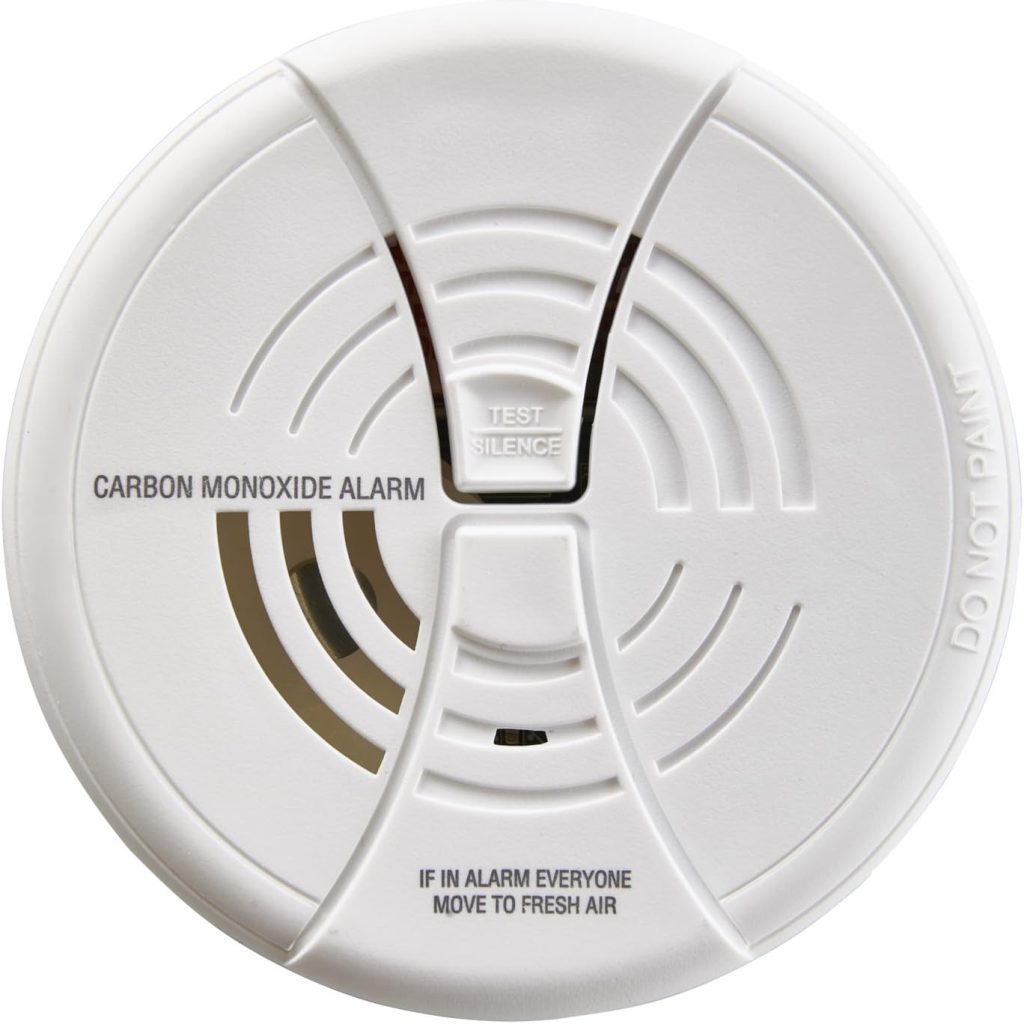
Consider upgrading to combination smoke and carbon monoxide detectors for dual protection. Some models include emergency lighting that activates during alarms, helping illuminate escape routes in dark conditions.
Regular maintenance includes vacuuming detector covers quarterly to remove dust and debris that can impair sensors. Replace the entire unit every 10 years or according to manufacturer specifications.
Multiple strategically placed smoke detectors provide overlapping coverage zones that ensure no fire goes undetected, giving you and your family precious extra minutes for safe evacuation.
Step-by-Step Instructions
Step 1
Map your RV layout and identify all sleeping areas (master bedroom, bunk areas, convertible dinettes) plus the kitchen zone, marking optimal detector placement on ceilings away from air vents and corners
Step 2
Purchase appropriate detectors: photoelectric smoke detectors for sleeping areas, combination smoke/heat detector for kitchen vicinity, ensuring all units are RV-rated for 12V DC power or long-life battery operation
Step 3
Install detectors using manufacturer-provided mounting brackets, drilling pilot holes in ceiling material and securing with appropriate screws for your RV’s ceiling construction
Step 4
Test the interconnection system by triggering one detector and verifying all units activate, then establish a testing schedule and battery replacement routine for optimal safety coverage
💰 Cost Analysis
Initial investment: $150-300 for complete multi-zone smoke detector system including 3-5 interconnected units suitable for typical RV layouts
Annual maintenance: $20-40 annually for battery replacements and cleaning supplies for proper detector maintenance
5 year projection: $250-500 total including initial purchase, battery replacements, and potential unit replacements after 5-year recommended service life
Cost per year: $50-100 per year averaged over detector lifespan including purchase price and maintenance costs
🌍 Regional Considerations
Western states with wildfire risks may require additional exterior air quality monitors that complement interior smoke detection systems for comprehensive fire safety
Humid southeastern regions require frequent cleaning and calibration of smoke detectors due to moisture buildup that can cause false alarms or detection failures
Northern climates with significant temperature swings need detectors rated for extreme temperature variations and condensation resistance during seasonal RV use
🌍 Case Studies
A Class A motorhome owner installed five interconnected detectors: one in the rear bedroom, one in the overhead bunk, one outside the bathroom/sleeping area, one near the kitchen, and kept the original living room unit, creating comprehensive coverage
A travel trailer family added detectors in their dinette conversion area and bunk room after realizing their single detector couldn’t be heard clearly in the rear bedroom with the door closed
A fifth-wheel owner installed a heat detector directly above their residential-style range and a smoke detector in the hallway outside the kitchen after experiencing false alarms from cooking smoke
🔍 Common Misconceptions
Myth: One centrally located smoke detector provides adequate coverage for an entire RV. Reality: RV compartmentalization and noise from generators, air conditioners, or road travel can prevent occupants from hearing distant alarms
False belief: Kitchen smoke detectors will constantly trigger false alarms from cooking. Truth: Proper placement just outside the kitchen zone and using heat detectors within cooking areas prevents false alarms while maintaining safety
Misconception: RV smoke detectors are the same as home detectors. Reality: RV detectors must handle vibration, temperature extremes, and power fluctuations that would damage standard household units
📊 Comparison Analysis
🔧 Tools & Equipment
Drill with bits appropriate for your RV ceiling material, screwdriver set, stud finder or probing tool to locate ceiling joists
Ladder or step stool for ceiling access, wire strippers if installing hardwired units, voltage tester for electrical safety
⏱️ Time & Cost Summary
Estimated Time: 4-6 hours for complete installation including planning detector placement, mounting 4-5 units, testing interconnection systems, and creating maintenance documentation
Estimated Cost: $150-300 for detector hardware plus $50-100 for installation supplies and tools if not already owned
📅 Maintenance Schedule
⚠️ Safety Considerations
FAQ
How many smoke detectors do I need to install in my RV’s sleeping areas and kitchen?
Where exactly should I mount smoke detectors in RV sleeping areas?
What’s the best location for a smoke detector in an RV kitchen zone?
Should I use battery-powered or hardwired smoke detectors in RV sleeping areas and kitchen?
What type of smoke detector works best in RV sleeping and kitchen areas?
How do I prevent false alarms from the kitchen smoke detector while cooking?
Do I need smoke detectors in convertible sleeping areas like dinettes?
How high should I mount smoke detectors in RV sleeping areas with low ceilings?
Can I interconnect smoke detectors between RV sleeping areas and kitchen?
What’s the minimum distance between smoke detectors in adjacent RV sleeping areas?
How often should I test smoke detectors in RV sleeping areas and kitchen?
Are there special RV smoke detectors designed for sleeping and kitchen areas?
Should smoke detectors in RV sleeping areas be different from the kitchen detector?
How do I install smoke detectors in RV sleeping areas with slide-outs?
What should I do if my RV kitchen smoke detector keeps false alarming during cooking?
👨💼 Expert Insights
Fire safety engineers recommend photoelectric detectors over ionization types in RVs because they respond faster to smoldering fires common in confined spaces with synthetic materials
Professional RV technicians suggest installing detectors before your first extended trip, as most RV fires occur during the break-in period when systems are being tested and used heavily
Experienced full-time RVers emphasize the importance of involving all family members in detector testing routines so everyone recognizes the alarm sound and knows evacuation procedures
📚 Related Topics
- RV fire extinguisher placement and types for different fire classes
- Emergency evacuation planning and escape route identification
- RV electrical system safety and fire prevention maintenance