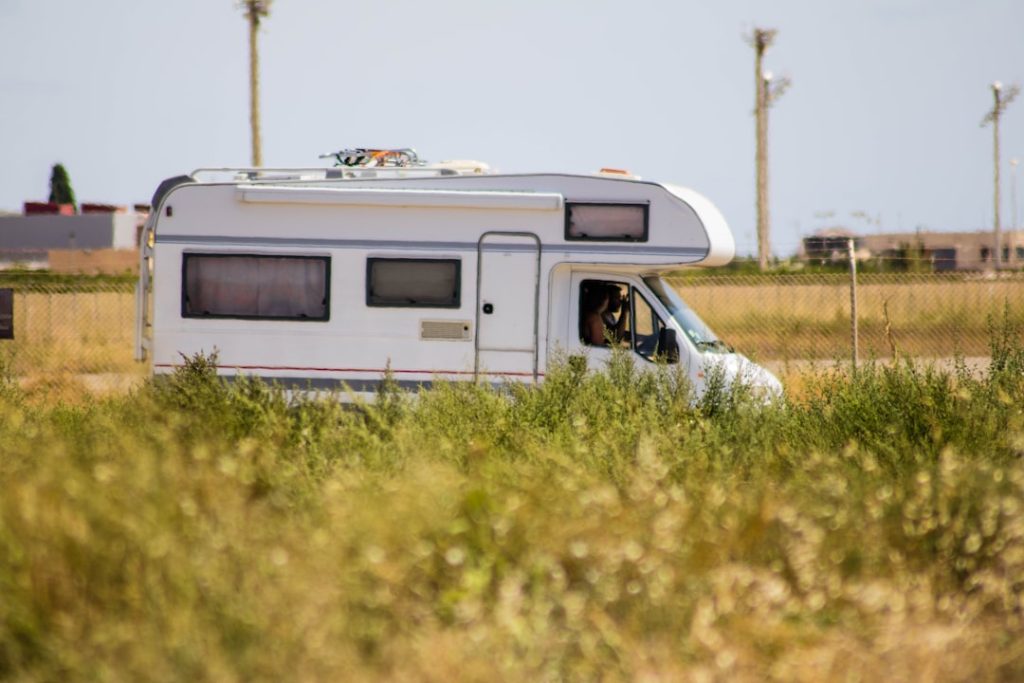
Used RV dealers swear their units are “barely used weekend campers,” but the generator hour meter tells the real story—and 94% of buyers never check it. That “low-mileage” Class A with 15,000 road miles? Its generator shows 2,847 hours, meaning it was actually lived in full-time for over a year. At 8 hours daily use, that’s nearly 12 months of boondocking or extended camping.
Here’s why this matters financially: full-time use accelerates wear exponentially. That coach isn’t worth the $85,000 asking price—it’s got the equivalent wear of a 150,000+ mile unit. Refrigerator seals, slide mechanisms, and water systems deteriorate from constant use, not just road miles. One buyer discovered this after purchase and faced $12,000 in “unexpected” repairs within six months.
Smart buyers use the “hour meter investigation” technique:
- Check generator hours (usually displayed on the control panel)
- Calculate realistic use: weekend campers average 50-100 hours per year
- Anything over 200 hours annually suggests extended or full-time use
- High hours = negotiate $8,000-15,000 off asking price for accelerated wear
The insider formula: every 100 generator hours equals roughly 5,000 road miles of wear on RV systems. A unit with 1,000 generator hours has the equivalent system wear of 50,000 additional miles. Use this data to negotiate or walk away—veteran RVers never buy high-hour units at low-hour prices.