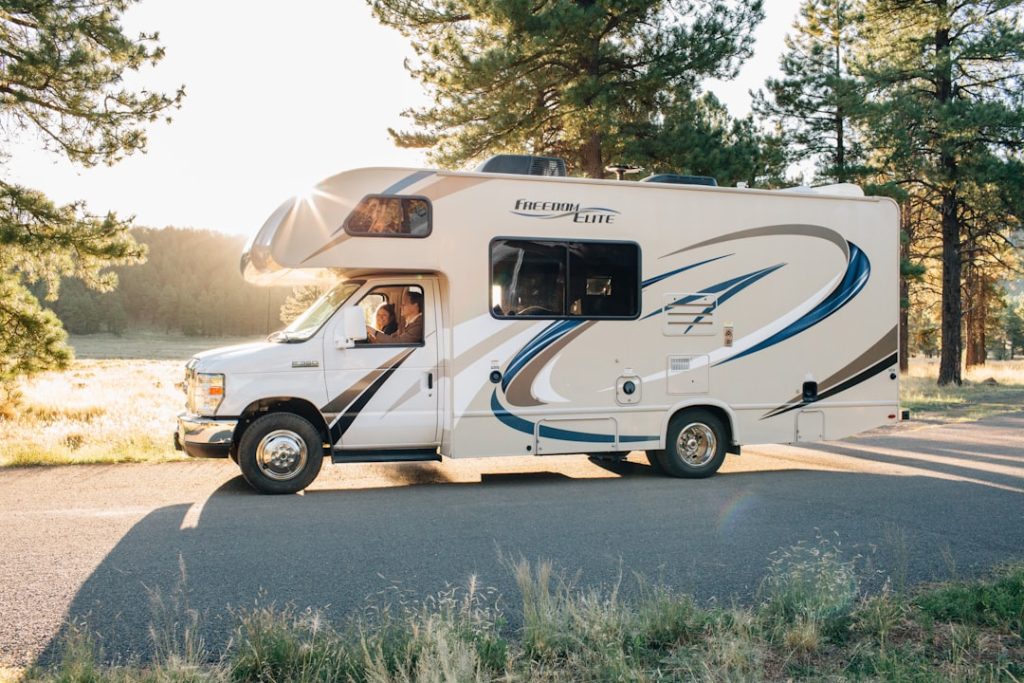
Standard home WiFi extenders perform poorly in RVs because RV construction creates a Faraday cage effect that blocks radio signals. The aluminum siding, metal roof, and steel frame that make RVs structurally sound also prevent WiFi signals from reaching devices placed inside the rig. This is why an extender that works perfectly in a house often shows weak or no signal improvement when moved to an RV.
The solution isn’t a more powerful indoor unit — it’s getting the antenna outside the metal shell. RV-specific WiFi systems use external antennas mounted on the roof or ladder, with cables running to indoor routers or access points. This setup captures the campground signal outside the RV, then redistributes it inside through wired connections rather than trying to penetrate metal walls.
Many RVers waste money buying consumer WiFi extenders and wondering why they don’t help. The issue isn’t the device quality — it’s physics. Even expensive mesh systems designed for large homes struggle in RVs because they’re designed for wood-frame construction and drywall, not metal barriers.
If you’re buying a WiFi booster system, look for models specifically designed for RVs with external antennas. The installation requires running cables through the roof, but the performance difference is substantial. Alternatively, a cellular hotspot device placed near a window often provides more reliable internet than trying to extend weak campground WiFi through metal walls. The external antenna approach works best when campground signals are strong but just need to get past the RV’s metal construction.