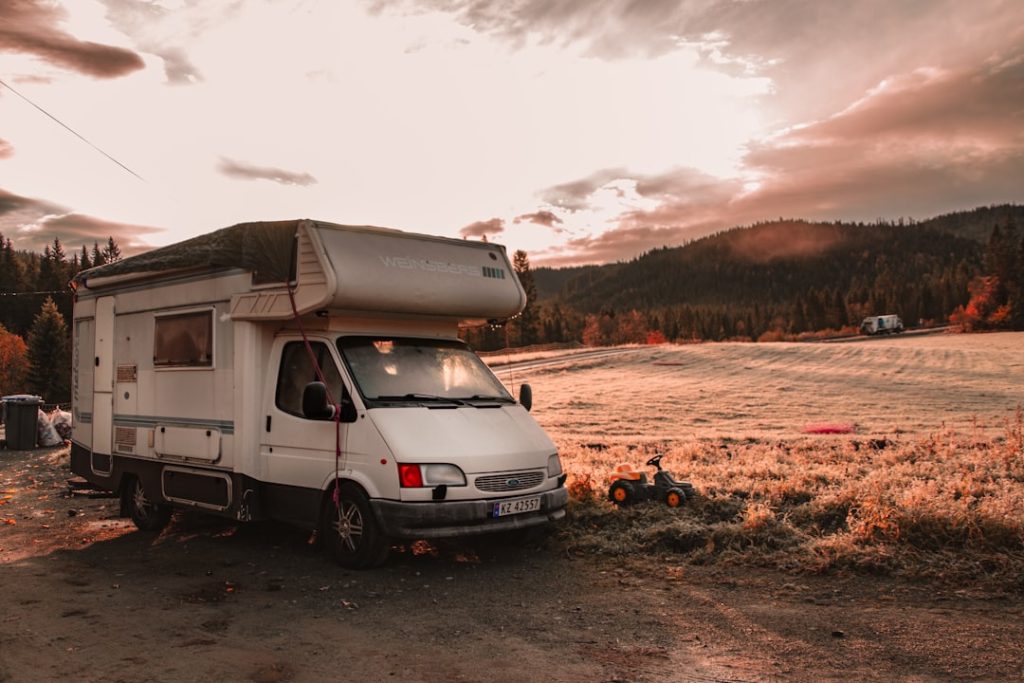
Many RVers assume that monthly rates are simply daily rates multiplied by 30, or weekly rates times four. In reality, most RV parks use completely different pricing structures for long-term stays that can make month-to-month living either a bargain or surprisingly expensive, depending on what’s included.
The biggest variable is utilities. Daily and weekly rates typically include all hookups in the base price, but monthly rates often charge separately for electricity usage above a certain threshold. A park might advertise a $600 monthly rate, but if you use air conditioning heavily, your actual bill could reach $800-900 with utility overages. This is especially common in desert areas where summer cooling costs are substantial.
Monthly rates also tend to exclude services that shorter stays include — things like Wi-Fi, cable TV, or even sewer pump-outs. Some parks charge monthly residents extra for amenities like pool access or laundry facilities that are free for nightly guests. The logic is that long-term residents are getting a lower base rate in exchange for paying separately for services they actually use.
Before committing to a monthly stay, ask specifically what’s included and what costs extra. Request to see an actual monthly bill from a current resident if possible. The parks with the most transparent pricing tend to have the most satisfied long-term guests, while those with lots of surprise fees often have higher turnover. For budget planning, assume monthly costs will be 10-20% higher than the base rate once all fees are included.