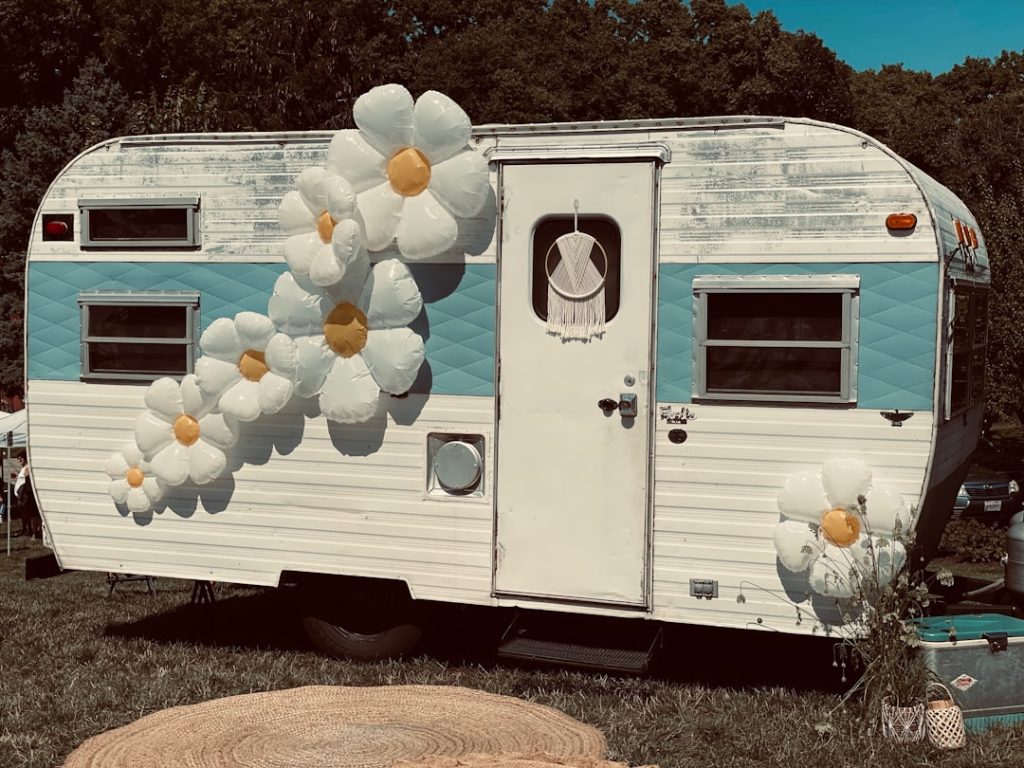
Most RV owners assume their insurance works like car coverage, but RV policies often blend auto and homeowner’s insurance principles in ways that create unexpected gaps during claims. The biggest surprise comes when you discover that your personal belongings, appliances, and modifications might fall under completely different coverage limits than the RV structure itself.
Here’s where it gets tricky: if you’re in an accident while driving, your RV is typically covered under the auto portion of your policy. But if a tree falls on your parked RV at a campground, that same damage might be processed as a homeowner’s-style claim with different deductibles and coverage rules. Many policies treat permanently attached items differently from portable ones — your built-in microwave might be covered while your expensive camping gear stored in the same cabinet isn’t.
Full-timers face an additional complexity: standard RV policies assume you have a permanent residence elsewhere. If you’re living in your RV year-round, you may need specialized full-timer coverage to ensure your personal property gets adequate protection. The difference in claim payouts can be substantial — sometimes thousands of dollars for the same incident.
Before you need it, review your policy’s definitions section to understand how it categorizes different types of damage and property. Ask your agent specific scenarios: What happens if my solar panels get damaged while parked? Are my tools covered if the RV is broken into? Understanding these distinctions ahead of time prevents unpleasant surprises when you’re already dealing with repairs.