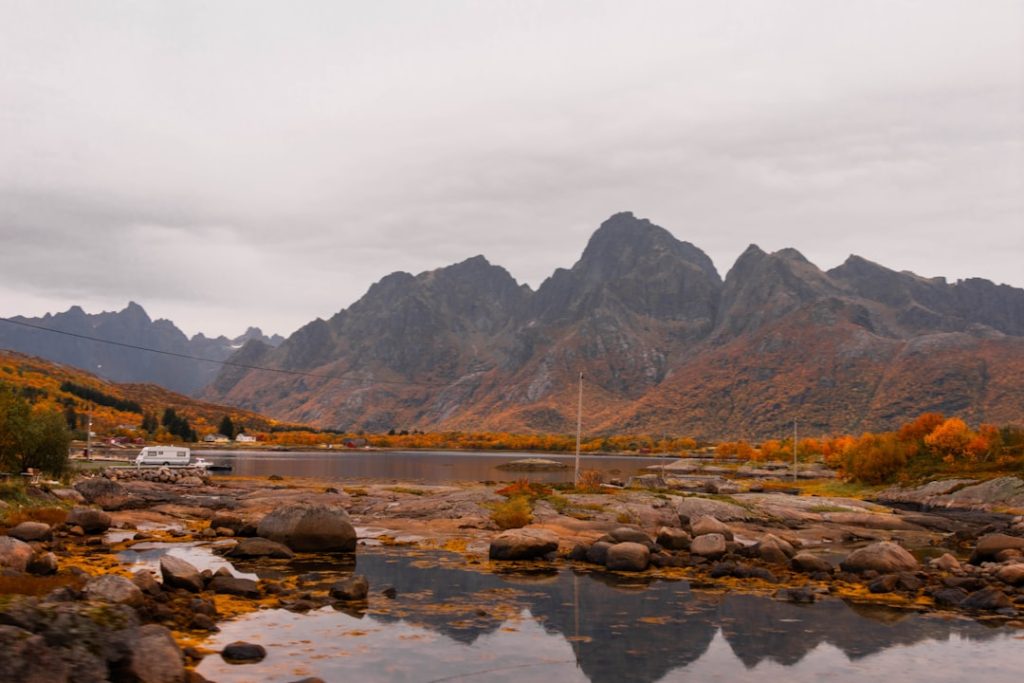
Dispersed camping on public lands operates on an informal spacing system that most newcomers don’t understand until they accidentally break it. The general principle is maintaining visual and auditory privacy — if you can clearly see into someone’s camp or easily hear normal conversation, you’re probably too close. This isn’t just about courtesy; it’s about preserving the solitude that draws people to boondocking in the first place.
The practical guideline varies by terrain, but experienced boondockers typically aim for at least 100-200 feet between camps in open areas, and use natural features like hills, rock formations, or tree lines as visual barriers when possible. In popular areas like Quartzsite or the Alabama Hills, space gets tighter, but the principle remains: don’t camp where your activities directly impact your neighbors’ experience.
Generator use amplifies this issue significantly. Sound travels much farther in open desert or forest than most people expect, and running a generator too close to other camps — even during acceptable hours — can spoil the quiet that many boondockers specifically sought out. Some areas have developed informal “generator zones” where people who need frequent power tend to cluster together.
Beyond courtesy, proper spacing helps preserve access to these areas. Land management agencies pay attention to user conflicts, and crowded or problematic sites sometimes get closed or restricted. When you choose your spot, you’re not just picking a campsite — you’re helping maintain the low-impact culture that keeps these areas open for everyone.