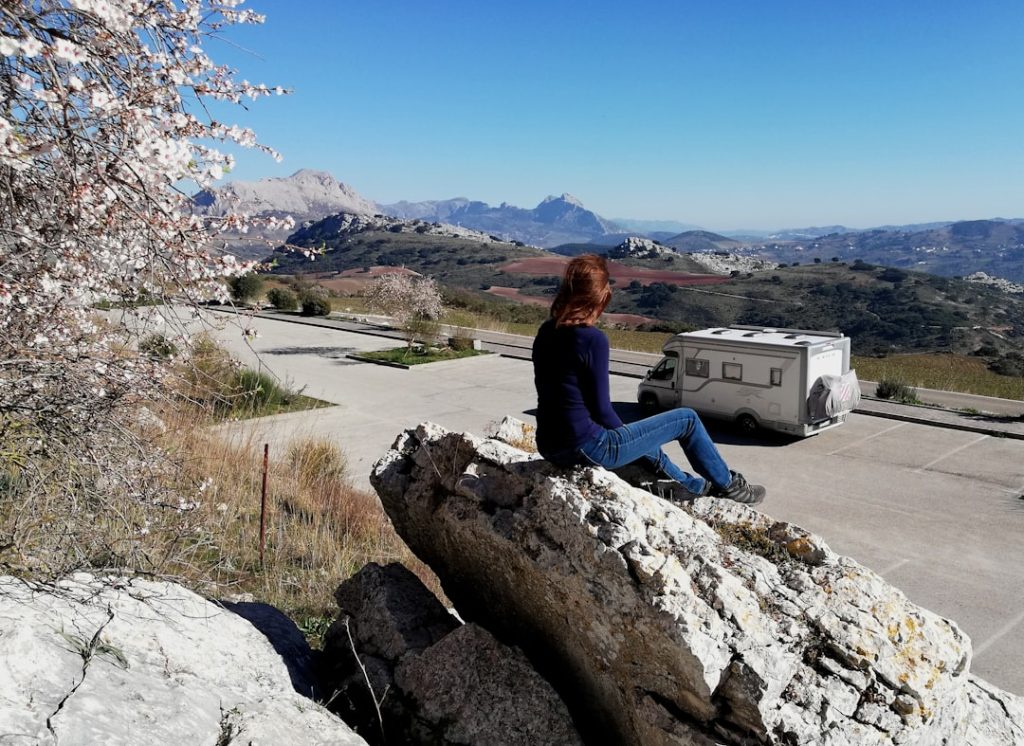
Popular campgrounds routinely accept more reservations than they have sites, banking on a predictable cancellation rate that varies by season and location type. State parks and national park campgrounds typically overbook by 5-10% during peak season because they know a certain percentage of campers won’t show up or will cancel last-minute.
This practice becomes visible when you arrive to find your reserved site occupied or unavailable. Rather than turning you away, most campgrounds have contingency plans: overflow areas, sites held in reserve, or partnerships with nearby parks. The key insight is that campgrounds prioritize guests who reserved furthest in advance when shuffling assignments, so booking early doesn’t just guarantee availability — it gives you first choice when reassignments happen.
The cancellation timing pattern works in your favor if you understand it. Most campgrounds see a spike in cancellations 48-72 hours before arrival, when people check weather forecasts or finalize travel plans. Setting up alerts or calling campgrounds directly during this window often opens up sites that were previously booked solid, especially at popular destinations.
Private campgrounds handle overbooking differently than public ones — they’re more likely to upgrade you to a better site type rather than sending you to overflow camping. If you’re flexible about site type when booking, mentioning that flexibility when checking in often results in upgrades when premium sites become available through last-minute cancellations.