How to Eliminate RV Black Tank Smell Fast (Tested Solutions That Actually Work)
The 3 Most Effective Ways to Eliminate RV Black Tank Odor
🧪 Use the Right RV Black Tank Chemicals (Not Homemade Substitutes)
This is the single most effective step you can take. Purpose-built RV black tank chemicals are specifically formulated to do what homemade RV black water tank cleaner mixtures simply can’t match consistently:
- Break down solid waste and toilet paper enzymatically
- Neutralize odor-causing anaerobic bacteria at the source
- Keep level sensors from coating over and giving false readings
Two of the most consistently well-reviewed RV black tank deodorizer options:
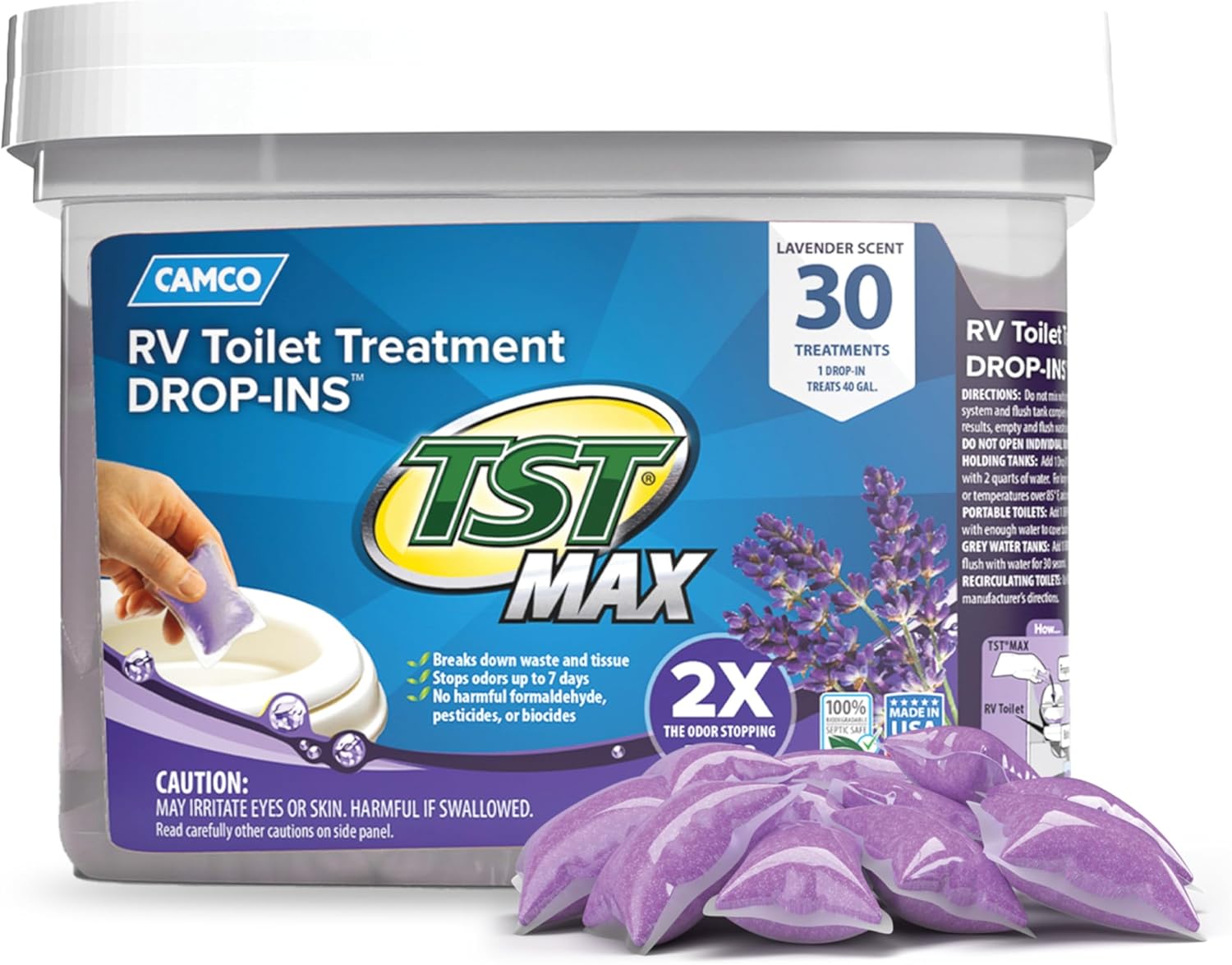 Camco TST MAX RV Toilet Treatment Drop-Ins
Pre-measured pods — no mess, no guessing. One of the most popular choices among RV owners for fast, reliable odor control.
Camco TST MAX RV Toilet Treatment Drop-Ins
Pre-measured pods — no mess, no guessing. One of the most popular choices among RV owners for fast, reliable odor control.
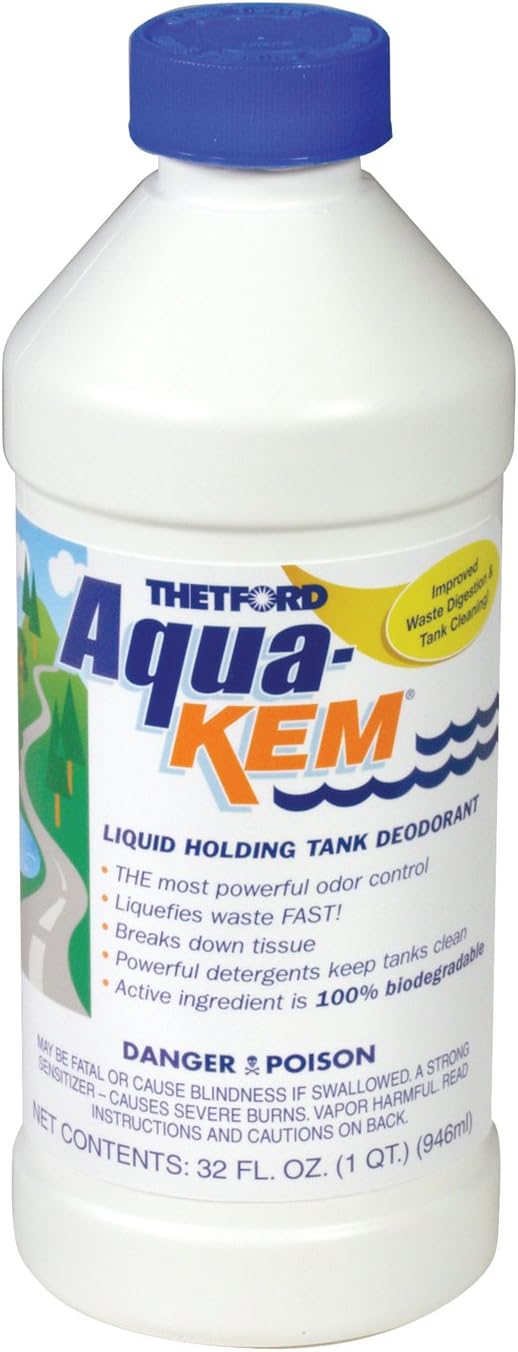 Thetford Aqua-KEM Original
Liquid formula — strong odor control and waste digestion. A reliable choice for full-timers and larger tanks.
Thetford Aqua-KEM Original
Liquid formula — strong odor control and waste digestion. A reliable choice for full-timers and larger tanks.
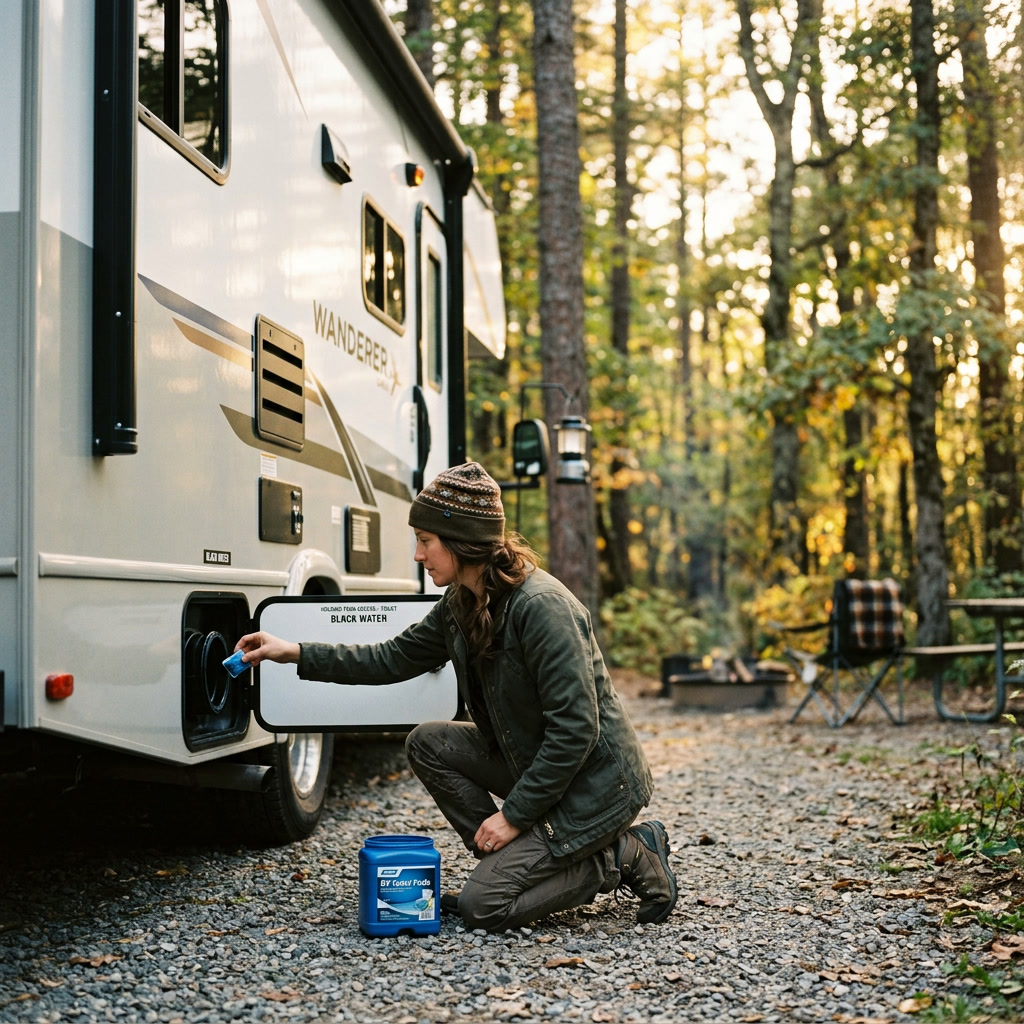
🚿 Flush Your Tank Properly
Even the best treatment won’t work if your tank isn’t flushed correctly. Incomplete flushing leaves solid residue behind — and that’s what causes persistent smell.
- Always use plenty of water with every flush — more than you think you need
- After dumping, run a full rinse cycle until the water runs clear
- Never leave waste sitting dry — maintain at least 2 gallons of water in the tank after treatment
- For buildup, use a tank wand or built-in flush system for a deep rinse
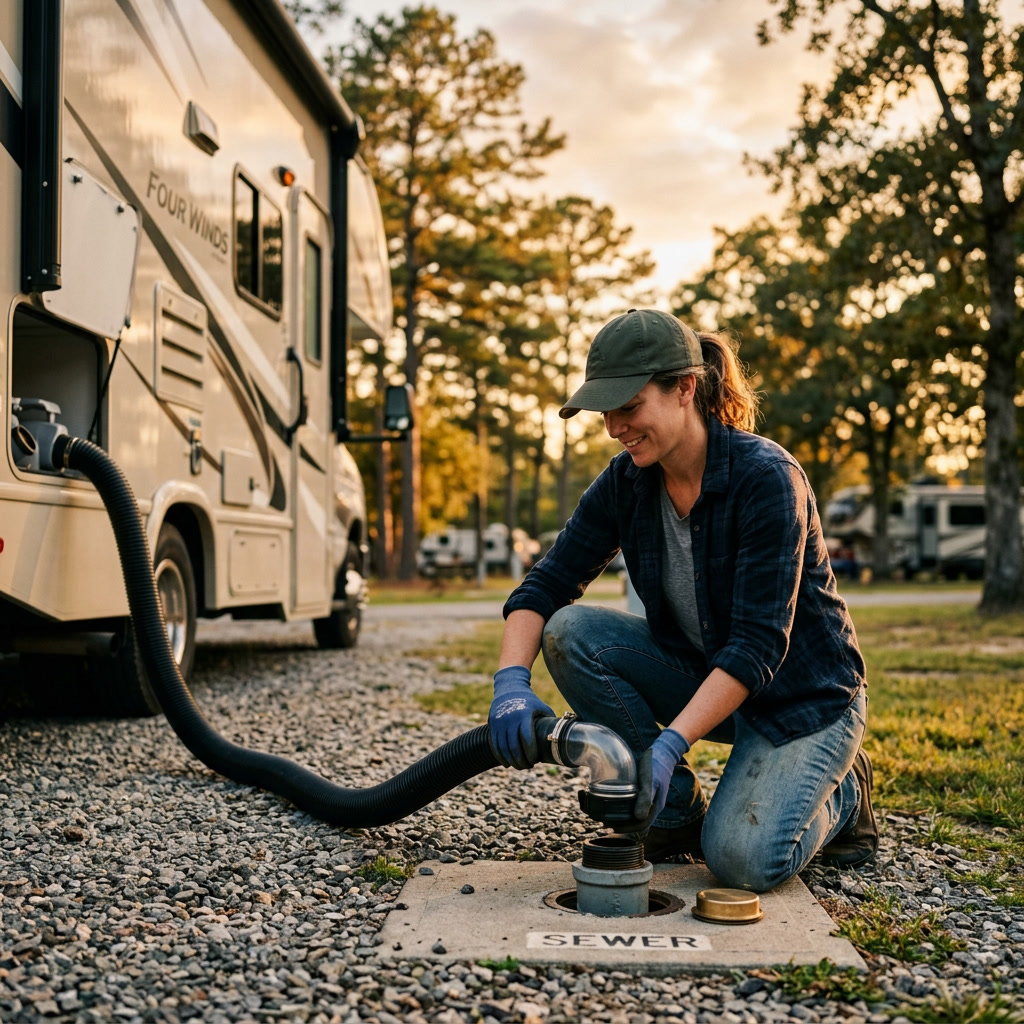
💨 Check Your Ventilation
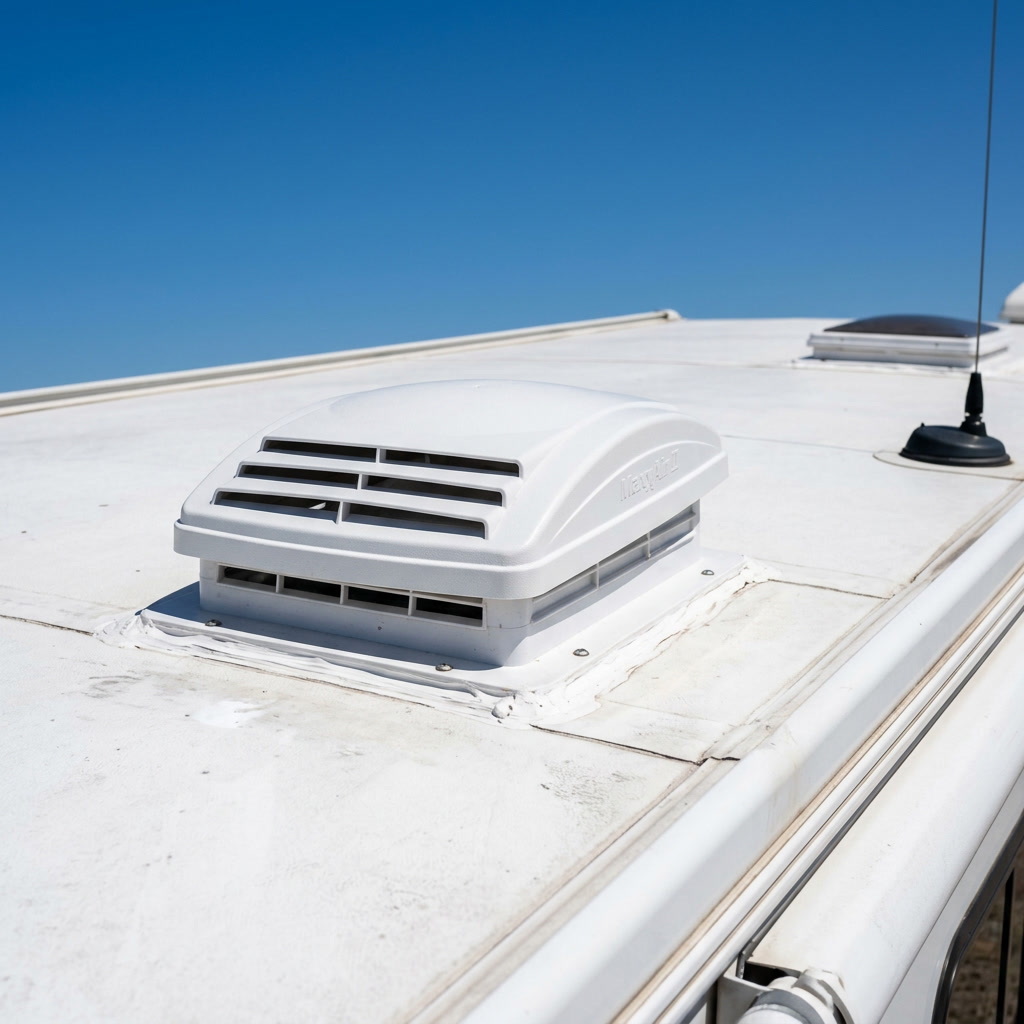
Sometimes the smell has nothing to do with the tank — it’s an airflow problem. The black tank vents through your roof, and if that path is blocked or broken, odors back up into your living space.
- Roof vent cap — debris, wasp nests, and cracked caps are common. Consider upgrading to a 360° rotating vent cap for better airflow.
- Toilet seal — a dry or cracked seal lets odors escape directly into the bathroom. Apply a seal conditioner and test for proper closure.
RV Black Tank Deodorizer: Liquid vs. Pods — Which Works Better?
💊 Pods (Drop-Ins)
- Pre-measured — no guessing or spilling
- Easy to store and travel with
- Ideal for occasional users
- Less flexible if tank conditions vary
🧴 Liquids
- Adjustable dosing for hot weather or big tanks
- Often more cost-effective per treatment
- Better for full-timers and heavy users
- Requires more careful handling
Common Mistakes That Make RV Sewage Smell Worse
- ❌ Using too little water — waste dries out and sticks to tank walls
- ❌ Skipping tank treatment — bacteria multiply fast without enzymes to control them
- ❌ Waiting too long to dump — a full tank in hot weather produces far more odor
- ❌ Relying on a homemade RV black water tank cleaner — DIY mixes like dish soap or baking soda lack the enzymes needed to fully break down waste and often leave residue behind
- ❌ Using bleach or household cleaners — kills beneficial bacteria, damages seals and sensors
- ❌ Leaving the dump valve open at hookup sites — liquids drain out, solids remain and create a “poop pyramid” that’s very hard to break down
FAQ – RV Black Tank Smell & Treatment
- Incomplete flushing — residue left behind continues to produce odor
- Buildup on tank walls — needs a deep rinse or tank wand treatment
- Ventilation issues — blocked roof vent or failing toilet seal
- Dump valve left partially open at hookup sites
Final Thoughts
Whether it’s RV sewage smell in a motorhome or travel trailer sewer smell after a long trip — it’s one of the most common and most preventable problems RV owners face. The solution isn’t a single product; it’s a consistent combination of the right RV black tank chemicals, thorough flushing, and a quick ventilation check.
Skip the homemade RV black water tank cleaner shortcuts. Get the routine right with proven products and you’ll rarely have to think about it again.
Similar Posts
RV Maintenance Essentials: Your Guide to Smarter Ownership and Rental in the US Market
The recreational vehicle (RV) lifestyle is deeply ingrained in the American spirit, offering unparalleled freedom and adventure across the nation’s diverse landscapes. With the US RV market projected to reach…
Why Your RV Equipment Supplier Makes or Breaks Your Rental Business (And How I Learned This the Hard Way)
When I first entered the RV rental business three years ago, I made a costly mistake that taught me an invaluable lesson. I spent nearly $15,000 on equipment from various…
How to Handle Extreme Weather in an RV – A Practical Guide for RVers
Whether you’re crossing the Rockies in Canada or chasing sunshine across Arizona, every RVer knows that Mother Nature doesn’t always play nice. From freezing blizzards and hurricane remnants to record-breaking…