💡 Key Recommendation
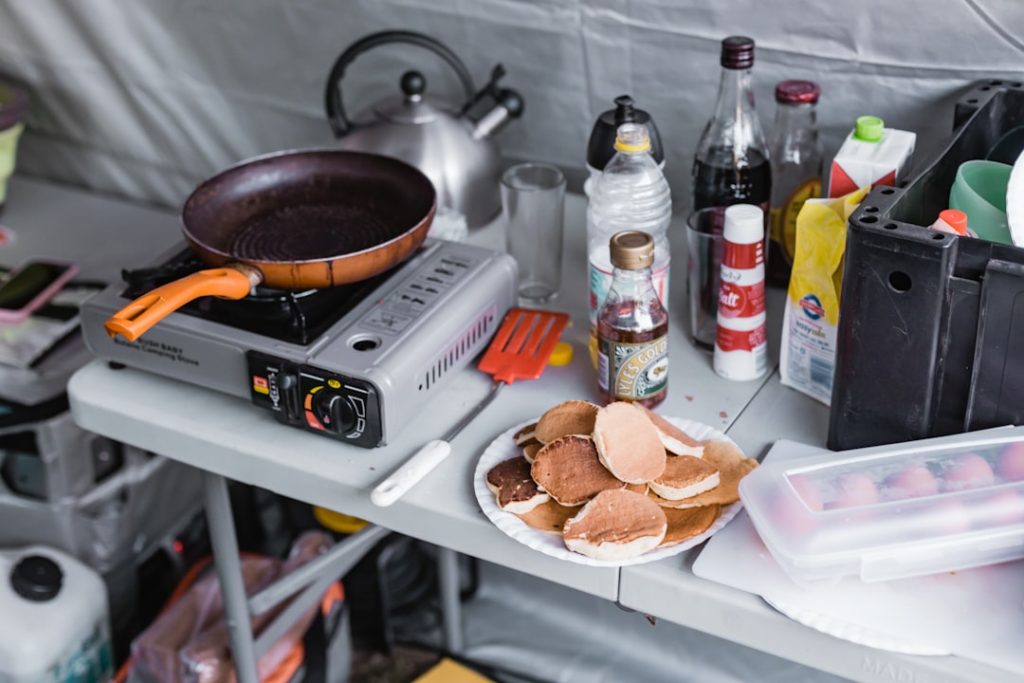
Set up an outdoor kitchen station to keep your RV cool and expand your living space
Why This Matters
Creating a designated outdoor kitchen zone during extended camping stays transforms your RV experience by preventing interior heat buildup and eliminating cooking odors that can linger for days in confined spaces. When you’re parked for weeks or months, using only your cramped interior galley forces you to run air conditioning constantly to combat cooking heat, dramatically increasing energy consumption and reducing battery life for off-grid campers.
An organized outdoor cooking area also expands your living space significantly, allowing multiple people to participate in meal preparation without crowding. This becomes especially crucial during extended stays when you’re entertaining other campers or when weather permits outdoor dining. The psychological benefits are equally important – having a proper outdoor kitchen creates a more resort-like atmosphere and helps prevent the cabin fever that can develop during long-term RV living.
📋 Industry Standards & Best Practices
The RV Industry Association recommends establishing outdoor cooking zones at least 10 feet from your RV’s exterior walls and 15 feet from neighboring campsites to ensure proper ventilation and fire safety. Most established RV parks expect outdoor kitchens to include designated grease disposal containers and require portable equipment to be stored properly during high winds. Professional RV lifestyle consultants suggest allocating at least 8×10 feet of space for a functional outdoor kitchen zone that can accommodate prep work, cooking, and cleanup activities without creating safety hazards.
🎯 Product Recommendations
Position your outdoor kitchen on the shaded side of your RV and use the awning as your primary weather protection, supplemented by removable side panels for wind protection during meal prep
Invest in a dedicated outdoor kitchen table with storage underneath for utensils, spices, and non-perishable ingredients to avoid constant trips back into the RV
Create a three-station workflow with distinct prep, cooking, and cleanup zones using portable folding tables that can be easily reconfigured based on the meal size and weather conditions
Complete Guide
The primary problem with indoor-only cooking is heat accumulation. Even with exhaust fans running, cooking inside an RV during warm weather can raise interior temperatures by 10-15 degrees, forcing your air conditioning to work overtime and draining your battery or propane reserves. Additionally, cooking odors linger in the confined space, and cleanup becomes more challenging with limited counter space and water capacity.
Start your outdoor kitchen setup by identifying the optimal location relative to your RV. Position your cooking area on the same side as your RV’s entry door for easy access to supplies and cleanup. Utilize your awning for shade and weather protection, but ensure adequate ventilation to prevent propane buildup. The ideal spot should be level, protected from prevailing winds, and positioned to avoid smoke blowing toward neighboring campsites.
Invest in a sturdy, adjustable-height camping table as your primary work surface. Look for models with wind guards and storage shelves underneath. A portable two or three-burner propane stove provides flexibility that your RV’s built-in cooktop often lacks. Keep a separate propane tank dedicated to outdoor cooking so you never interrupt indoor heating or hot water when the tank runs low.
Organization is crucial for outdoor kitchen success. Use weatherproof storage containers to keep cooking utensils, spices, and non-perishables readily accessible. A portable camp sink or large wash basin simplifies food prep and cleanup while conserving your RV’s fresh water supply. Consider a small outdoor refrigerator or high-quality cooler to reduce trips inside for ingredients.
Weather protection extends your outdoor cooking season significantly. In addition to your awning, pack a pop-up canopy for extra coverage or alternative positioning when wind direction changes. Sidewalls for your awning provide protection from driving rain while maintaining ventilation. For evening cooking, battery-powered LED strip lights or solar lanterns create adequate workspace illumination without attracting insects like traditional camping lanterns.
Cleanup strategy is often overlooked but critical for outdoor kitchen success. Establish separate wash stations for dishes and food prep using collapsible basins. Pack biodegradable soap and follow Leave No Trace principles for greywater disposal. A dedicated outdoor drying rack keeps clean dishes organized and prevents multiple trips inside.
Safety considerations include proper propane handling, fire safety with a nearby extinguisher, and food safety practices in outdoor temperatures. Never operate propane appliances inside your awning during windy conditions, and always have adequate ventilation around cooking flames.
The benefits extend beyond practicality. Outdoor cooking creates natural gathering spaces for family meals, encourages interaction with neighboring campers, and provides entertainment through more elaborate meal preparation that tight RV kitchens discourage. You’ll find yourself actually enjoying cooking again rather than viewing it as a necessary chore to endure in cramped quarters.
Step-by-Step Instructions
Step 1
Survey your campsite and identify a level area within 15-20 feet of your RV’s entrance that receives natural wind flow for smoke dispersal but remains protected from prevailing weather patterns
Step 2
Set up your base infrastructure by positioning your primary cooking table, establishing electrical connections for small appliances via outdoor-rated extension cords, and creating a designated water source using portable containers
Step 3
Organize your cooking zone into distinct areas: prep station with cutting boards and ingredient storage, active cooking area with grills and camp stoves positioned safely away from flammable materials, and cleanup station with wash basins and towel storage
Step 4
Install weather protection elements including ground tarps, overhead coverage using your RV’s awning or separate canopy, and wind barriers using portable screens or RV-specific outdoor kitchen enclosures
💰 Cost Analysis
Initial investment: $150-400 for basic outdoor kitchen setup including folding tables, portable cooking equipment, weather protection, and organizational accessories
Annual maintenance: $30-60 annually for replacing weather-damaged items, cleaning supplies, and equipment maintenance
5 year projection: $300-700 total including initial setup and replacement of worn outdoor furniture and cooking equipment
Cost per year: $60-140 averaged over five years including all setup and maintenance expenses
🌍 Regional Considerations
Desert Southwest camping requires additional shade structures and wind screens for your outdoor kitchen, as intense sun and sudden dust storms can make cooking dangerous and food preparation unsanitary
Coastal regions demand rust-resistant materials and extra attention to securing lightweight kitchen items, as salt air corrodes equipment quickly and ocean breezes can scatter cooking materials
Mountain camping areas require compact, easily-stored outdoor kitchen setups due to sudden weather changes, and cooking equipment must function properly at higher altitudes where propane burns differently
🌍 How This Works in Practice
A couple in Arizona sets up their outdoor kitchen using their RV’s slide-out awning, positioning a three-burner camp stove on a dedicated outdoor kitchen island with built-in storage, allowing them to cook elaborate meals without heating their interior during 110°F summer days
Full-time RVers in Florida create a screened outdoor cooking area using portable screen walls and their main awning, enabling bug-free food preparation during humid summer months while keeping cooking smoke and seafood odors outside
Winter Texan snowbirds establish a communal outdoor kitchen zone shared between multiple RVs, featuring multiple prep tables, shared grilling equipment, and organized storage systems that accommodate group cooking for potluck dinners and holiday celebrations
🔍 Common Misconceptions
Many campers believe outdoor kitchens require expensive built-in equipment, but effective setups can be created using affordable folding tables, portable camp stoves, and basic organizational containers that pack away easily for travel days
Some RVers think outdoor cooking zones are only useful in perfect weather, when properly designed setups with adequate wind protection and overhead coverage can be used safely in light rain and moderate wind conditions
New RVers often assume outdoor kitchens create more cleanup work, but designated wash stations and proper organization actually reduce interior mess and eliminate the need to ventilate cooking odors from cramped RV interiors
📊 Comparison Analysis
🔧 Tools & Equipment
Folding outdoor tables (minimum 2), camp stoves or portable grills, outdoor-rated extension cords, collapsible water containers, and basic hand tools for assembly
Weather protection items including ground tarps, bungee cords for securing lightweight items, outdoor storage containers, and portable screens or awning attachments for wind protection
⏱️ Time & Cost Summary
Estimated Time: Initial outdoor kitchen zone setup requires 2-3 hours for site assessment, equipment arrangement, and organization, with daily setup/breakdown taking 15-20 minutes once you’ve established your system
Estimated Cost: $200-350 for a complete outdoor kitchen zone setup including tables, cooking equipment, storage solutions, and weather protection adequate for extended camping stays
📅 Maintenance Schedule
⚠️ Safety Considerations
FAQ
What are the essential components needed to create a designated outdoor kitchen zone for extended RV camping?
How do I choose the best location around my RV to set up an outdoor kitchen zone?
What type of weather protection works best for an outdoor RV kitchen zone during extended stays?
How should I organize storage in my designated outdoor kitchen zone for easy access during long camping trips?
What cooking equipment is most suitable for a permanent outdoor kitchen setup during extended RV stays?
How do I create an effective wash station as part of my outdoor RV kitchen zone?
What safety considerations should I keep in mind when setting up an outdoor kitchen zone for extended camping?
How can I provide adequate lighting for my outdoor RV kitchen zone during evening cooking?
What’s the best way to manage food storage in an outdoor kitchen zone during long camping trips?
How do I weatherproof my outdoor kitchen zone setup for various conditions during extended stays?
What ground covering works best under an outdoor kitchen zone for extended RV camping?
How can I create adequate counter space in my designated outdoor RV kitchen zone?
What’s the most efficient layout design for an outdoor kitchen zone during extended camping stays?
How do I manage waste and recycling in my outdoor RV kitchen zone during long camping trips?
What maintenance routine should I follow for my outdoor kitchen zone equipment during extended RV stays?
👨💼 Expert Insights
Experienced full-timer advice: ‘Start with basic equipment and add items only after you’ve identified what cooking activities you actually enjoy outdoors – many RVers over-purchase initially and end up with unused equipment that just takes up storage space.’
RV park manager recommendation: ‘The most successful outdoor kitchens I see have designated spots for everything and can be secured quickly when weather changes – organization matters more than expensive equipment.’
Long-term camper tip: ‘Position your outdoor kitchen where you can still socialize with neighbors and watch campground activities – cooking becomes part of the social experience rather than just a chore when you can interact while preparing meals.’
📚 Related Topics
- Outdoor dining area setup and furniture selection for extended RV stays
- Weather protection strategies for outdoor living spaces during long-term camping
- Food storage and organization systems for outdoor RV cooking during extended stays