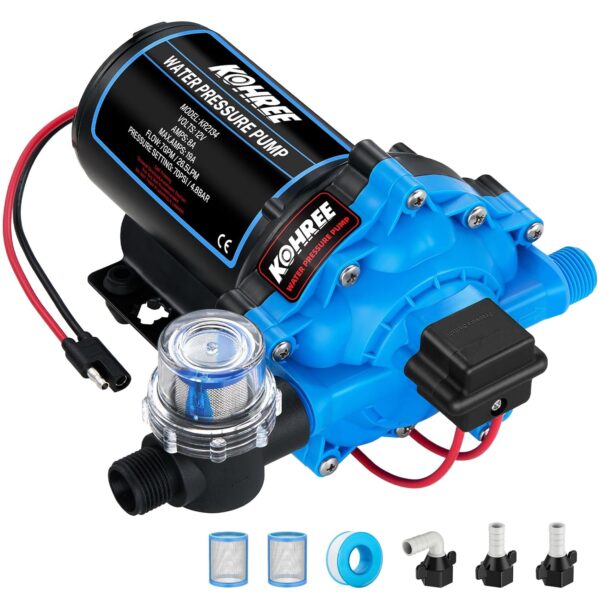
💡 Key Recommendation
Stop pump cycling by checking accumulator tank pressure and bleeding air from lines
Why This Matters
RV water pump cycling issues can quickly escalate from a minor annoyance to a major system failure if not properly diagnosed and addressed. When a pump continuously cycles on and off without water usage, it indicates a loss of system pressure that forces the pump to work overtime, leading to premature motor burnout, increased battery drain, and potential damage to other plumbing components. The constant cycling also creates noise disruption and can wake sleeping occupants throughout the night.
Proper diagnosis of pump cycling issues is crucial because the symptoms can stem from various causes ranging from simple quick-fixes like loose fittings to more complex problems like failed pressure switches or accumulator tanks. Without systematic troubleshooting, RVers often replace expensive components unnecessarily or miss the actual root cause, leading to recurring problems. Early and accurate diagnosis not only saves money but prevents the inconvenience of being without reliable water pressure during camping trips.
📋 Industry Standards & Best Practices
The Recreation Vehicle Industry Association (RVIA) and pump manufacturers like SHURflo and Jabsco recommend that RV water pumps should maintain system pressure between 35-55 PSI and only cycle when water is actually being used. Industry standards specify that a properly functioning system should hold pressure for at least 10-15 minutes without cycling when all faucets and fixtures are closed. Most manufacturers design their systems with pressure switches that activate between 20-25 PSI (pump on) and 40-45 PSI (pump off), and any deviation from this pattern indicates a diagnosable issue requiring systematic troubleshooting.
🎯 Product Recommendations
Start diagnosis with a visual inspection of all visible plumbing connections, faucets, and fixtures while the pump is cycling to identify obvious leaks or dripping that could cause pressure loss
Use a water system pressure gauge connected to a faucet or dedicated test port to monitor actual system pressure and verify if the pressure switch is operating within manufacturer specifications
Systematically isolate different sections of the water system by closing shut-off valves to determine if the cycling issue is in the hot water system, cold water lines, or specific fixture branches
Complete Guide
The most common cause of pump cycling is a failed accumulator tank, also called a pressure tank. This small pressurized vessel helps maintain steady water pressure and reduces pump cycling. Inside the tank, a rubber bladder separates water from compressed air. When the bladder fails or the air pressure drops below 7-10 PSI, the tank can’t maintain pressure, causing the pump to cycle continuously.
To diagnose accumulator tank problems, first locate the tank—usually a small white or blue cylinder near your water pump. Turn off the pump and drain system pressure by opening a faucet. Remove the cap from the Schrader valve (similar to a tire valve) on the tank. Press the valve core with a small tool; if water comes out instead of air, the bladder has failed and needs replacement. If air comes out, check pressure with a tire gauge. Proper pressure should be 7-10 PSI when the system is drained.
If pressure is low, add air using a bicycle pump or small compressor. Many cycling issues resolve immediately after restoring proper accumulator pressure. However, if the tank won’t hold pressure overnight, the bladder likely needs replacement.
Air in the water lines is another frequent culprit. This often occurs after winterization, repairs, or running the fresh water tank empty. Air pockets create false pressure readings, confusing the pressure switch and causing erratic cycling.
To bleed air from the system, turn on the water pump and open the faucet furthest from the pump. Start with cold water, letting it run until flow becomes steady without sputtering. Repeat with hot water, then work through all faucets systematically, moving closer to the pump. Don’t forget exterior spigots, shower heads, and toilet fill valves.
A faulty pressure switch can also cause cycling issues. Located on the pump or nearby plumbing, this switch typically activates around 25-30 PSI and shuts off at 45-55 PSI. If contacts are corroded or the switch is misadjusted, it may cycle improperly. Clean contacts with electrical contact cleaner or adjust the differential screw according to manufacturer specifications.
Small leaks throughout the system can cause mysterious cycling. Even tiny drips from valve seats, loose fittings, or cracked lines will trigger the pump. Check all visible connections, valve stems, and faucet bases. Water heater relief valves and toilet seals are common leak points often overlooked.
Prevention involves regular maintenance: check accumulator pressure monthly, avoid running pumps dry, and address small leaks promptly. When troubleshooting, work systematically from most common causes (accumulator pressure, air in lines) to less likely culprits (switch problems, hidden leaks). Most cycling issues resolve quickly once you identify and address the root cause.
Step-by-Step Instructions
Step 1
Turn off the water pump and drain the system pressure by opening all faucets, then close all faucets and turn the pump back on to observe the cycling pattern and timing intervals
Step 2
Connect a pressure gauge to the system and monitor pressure readings during cycling to determine if the pump is building proper pressure (35-55 PSI) before shutting off
Step 3
Perform a systematic leak check by examining all visible connections, faucets, toilet valve, water heater relief valve, and exterior shower connections while the system is under pressure
Step 4
Test the pressure switch operation by manually activating it or checking electrical continuity, and inspect the accumulator tank (if equipped) by checking pre-charge pressure with the water system depressurized
💰 Cost Analysis
Initial investment: $25-75 for diagnostic tools including pressure gauge, multimeter, and basic hand tools
Annual maintenance: $10-30 per year for preventive pressure switch cleaning and system inspection
5 year projection: $50-150 total including diagnostic tools and periodic component testing supplies
Cost per year: $10-30 annually for ongoing diagnostic maintenance and monitoring
🌍 Regional Considerations
In freezing climates, pump cycling issues often occur after winterization/de-winterization processes due to air trapped in lines or antifreeze residue affecting pressure switch sensitivity
Desert regions with extreme temperature fluctuations may experience cycling issues due to thermal expansion and contraction of water lines causing fitting looseness or pressure switch calibration drift
High-altitude camping areas can affect pressure switch operation due to atmospheric pressure changes, requiring adjustment of switch settings or accumulator tank pre-charge pressure
🌍 How This Works in Practice
A 2019 Class A motorhome experienced pump cycling every 30 seconds – diagnosis revealed a weeping water heater pressure relief valve that was barely visible but sufficient to prevent pressure buildup, solved by replacing the $12 relief valve
A travel trailer’s pump cycled constantly after winter storage – systematic diagnosis found the city water inlet check valve was stuck open, allowing pressure to bleed back through the connection even with no hose attached
A fifth wheel developed cycling issues after hitting a pothole – diagnosis revealed vibration had loosened the hot water line connection behind the water heater, causing intermittent pressure loss only when the connection was under stress
🔍 Common Misconceptions
Myth: Pump cycling always means the pump is failing – Truth: The pump motor is rarely the cause; cycling typically indicates pressure loss elsewhere in the system or pressure switch issues
False belief: Adding an accumulator tank will fix all cycling problems – Reality: Accumulators only mask symptoms and won’t solve underlying leaks or pressure switch failures that cause cycling
Misconception: Cycling only occurs with major visible leaks – Fact: Tiny weeping leaks, faulty check valves, or pressure switch drift can cause cycling without any obvious water loss signs
📊 Comparison Analysis
🔧 Tools & Equipment
Water system pressure gauge (0-100 PSI range) with garden hose thread connection for monitoring system pressure during diagnosis
Digital multimeter for testing pressure switch electrical continuity and 12V power supply to the pump motor
⏱️ Time & Cost Summary
Estimated Time: Initial diagnosis typically requires 1-2 hours for systematic checking, with additional 30-60 minutes for component testing if basic inspection doesn’t reveal the cause
Estimated Cost: $25-75 for diagnostic tools and supplies, plus $5-100 for replacement parts depending on the identified issue (pressure switch, fittings, valves, or accumulator tank)
📅 Maintenance Schedule
⚠️ Safety Considerations
FAQ
What does it mean when my RV water pump is cycling on and off repeatedly?
How can I tell if my RV water pump cycling is caused by a leak in the system?
What pressure switch problems cause RV water pump cycling issues?
How do I diagnose if a bad check valve is causing my RV water pump to cycle?
What tools do I need to diagnose RV water pump cycling problems?
How can I test the pressure switch when diagnosing RV water pump cycling?
What are the signs that accumulator tank issues are causing pump cycling?
How do I diagnose electrical problems causing RV water pump cycling?
What’s the difference between normal pump operation and problematic cycling?
How can I isolate different sections of my RV water system to diagnose pump cycling?
What internal pump problems cause cycling and how do I diagnose them?
How do I use a pressure gauge to diagnose RV water pump cycling issues?
What bypass valve issues can cause RV water pump cycling problems?
How can I diagnose if my RV’s hot water heater is causing pump cycling?
What step-by-step process should I follow to diagnose RV water pump cycling?
👨💼 Expert Insights
Certified RV technicians report that 70% of cycling issues stem from minor leaks that owners initially overlook, emphasizing the importance of thorough visual inspection during diagnosis
Experienced service managers recommend always checking the city water inlet check valve first, as it’s a common failure point that’s often missed in basic troubleshooting
Veteran RV owners suggest keeping a water system pressure gauge permanently installed for ongoing monitoring, as it helps catch developing cycling issues before they become major problems
📚 Related Topics
- RV water pump pressure switch replacement and adjustment procedures
- Installing and maintaining RV water system accumulator tanks
- RV plumbing leak detection and repair techniques