💡 Key Recommendation
Walk the entire campground before selecting your site to identify natural windbreaks and privacy features
Why This Matters
Strategic campsite selection within RV parks is the foundation of comfortable outdoor living, directly impacting your exposure to harsh weather conditions and unwanted disturbances. A poorly chosen site can subject your RV to damaging winds, excessive heat or cold, and constant noise from high-traffic areas, turning what should be a relaxing experience into a battle against the elements and intrusive neighbors.
The difference between a sheltered, private site and an exposed, public-facing location can mean the difference between peaceful mornings with your coffee and being awakened by maintenance crews at dawn, or between stable awnings and constantly battling wind gusts. Most RVers accept whatever site is assigned without realizing they often have options to request specific locations that offer natural windbreaks, privacy screens, and optimal orientation for temperature control.
📋 Industry Standards & Best Practices
The RV Industry Association recommends that campsites provide adequate spacing and natural barriers, but enforcement varies widely between campgrounds. Premium sites typically offer better weather protection through strategic placement near treelines or natural windbreaks, while maintaining 20-30 feet between units for privacy. Many campground operators follow the principle of positioning sites to maximize both weather protection and guest privacy, though budget-focused facilities often prioritize quantity over quality placement.
🎯 Product Recommendations
Choose sites on the leeward side of natural windbreaks like hills, dense tree lines, or rock formations to minimize wind exposure and create natural privacy barriers
Avoid sites directly adjacent to high-traffic areas such as camp stores, playgrounds, dump stations, or main roadways that compromise both noise privacy and increase dust and exhaust exposure
Select corner or end-row sites when possible, as they typically offer more space, fewer immediate neighbors, and often better access to natural features that provide weather protection
Complete Guide
Evaluate privacy factors carefully. Corner sites or those backing up to wooded areas provide natural barriers from neighboring campers. Avoid sites directly adjacent to high-traffic areas like bathhouses, playgrounds, or camp stores where foot traffic and noise continue throughout the day and evening. Sites near dumpsters or utility areas may seem convenient but often come with odors and maintenance vehicle noise.
Consider sun exposure and shade patterns throughout the day. Morning sun on your RV’s entry side is pleasant, but afternoon sun beating on your main living area can create uncomfortable interior temperatures and force excessive air conditioning use. Sites with large trees providing afternoon shade keep your RV cooler and create pleasant outdoor living spaces. However, avoid sites directly under large dead branches or trees showing signs of disease.
Examine the actual site pad and surrounding terrain. Look for level parking areas that won’t require excessive leveling blocks or strain your jacks. Poor drainage can leave you sitting in puddles after rain, while sites on slopes may have water runoff issues. Check that utility connections are accessible without stretching your cords and hoses to their limits.
Pay attention to neighboring RVs already in place. Large motorhomes or fifth wheels can block views, create shade where you don’t want it, or have generators that might disturb your peace. Sites near tent camping areas often have different activity patterns and noise levels than RV sections.
Don’t overlook seasonal considerations. In summer, prioritize shade and cooling breezes. Spring and fall camping may require more wind protection as temperatures drop. Winter camping demands sites with good southern exposure for solar gain and protection from harsh north winds.
If you’re unsure about prevailing weather patterns, ask campground staff about typical wind directions and weather challenges. Long-term hosts and camp managers have valuable insights about which sites work best during different seasons and weather conditions.
Remember that the ‘premium’ sites aren’t always the most comfortable for your specific needs and RV setup. Sometimes a basic site with good natural protection outperforms expensive waterfront locations that expose you to constant wind and weather.
Step-by-Step Instructions
Step 1
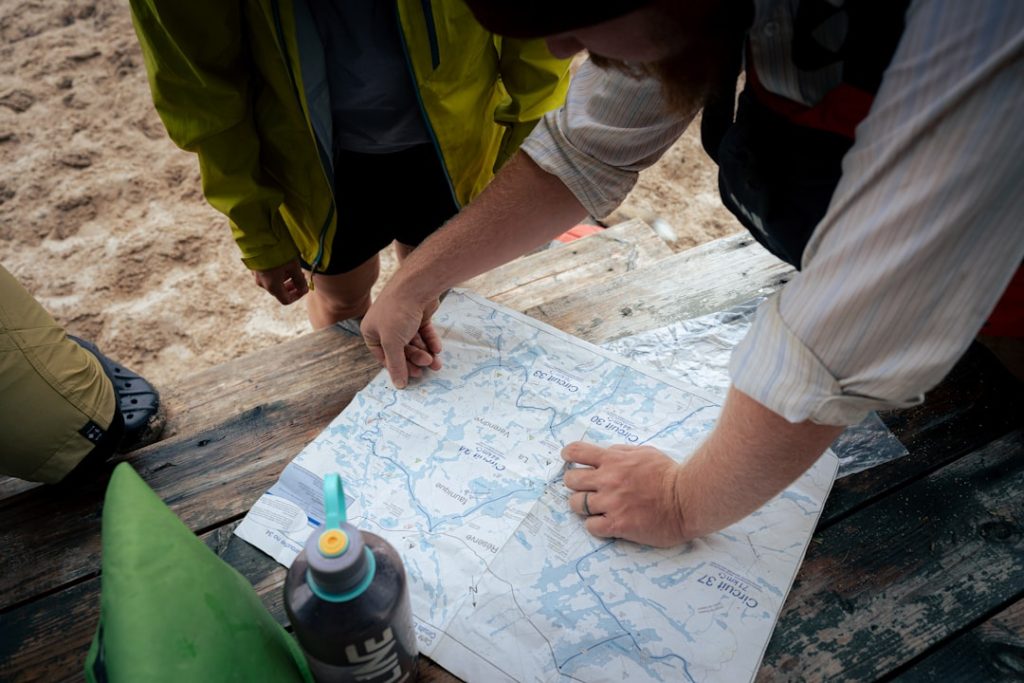
Before booking, study the campground map online or request it by phone, identifying sites near natural windbreaks, away from facilities, and noting prevailing wind direction for your travel dates
Step 2
Upon arrival, drive through the campground slowly to assess actual site conditions, looking for natural privacy screens, wind protection, and proximity to noise sources before checking in
Step 3
If assigned an unsuitable site, politely request alternatives at check-in, explaining your specific needs for weather protection or privacy – many campgrounds will accommodate reasonable requests if other sites are available
Step 4
Position your RV on the selected site to maximize natural windbreaks and privacy features, angling your setup to use existing vegetation or terrain features as shields from weather and neighboring activities
🌍 Considerations
Desert Southwest regions require sites with afternoon shade and wind protection from sandstorms, making sites on the east side of natural barriers or structures highly valuable
Coastal areas demand sites protected from salt air and ocean winds, with priority on locations sheltered by dunes, vegetation, or inland positioning within the campground
Mountain and northern regions need sites with southern exposure for solar gain and protection from prevailing winter winds, often requiring sites nestled against hillsides or dense evergreen stands
🌍 Practical Examples
At a Colorado mountain campground, an RVer requested a site tucked against a pine grove on the south side, providing wind protection and morning sun while blocking noise from the adjacent highway, resulting in comfortable temperatures and peaceful nights despite 30mph winds affecting exposed sites
A Florida couple avoided beachfront sites during hurricane season, choosing an inland site protected by palm groves and maintenance buildings, staying comfortable while coastal sites experienced equipment damage from sustained winds and blowing sand
In Arizona, experienced RVers selected a site on the east side of a rock formation that provided afternoon shade and blocked hot desert winds, maintaining interior temperatures 15 degrees cooler than exposed sites just 100 feet away
🔍 Common Misconceptions
Many believe all sites within a campground offer similar weather protection, when in reality microclimates can create temperature differences of 10-20 degrees and vastly different wind exposure between sites just yards apart
RVers often assume privacy only comes from distance between sites, but natural barriers like vegetation, terrain features, or strategic positioning can provide better privacy than sites that are farther apart but completely exposed
Some think requesting a different site is inappropriate or impossible, when most campground operators are willing to accommodate reasonable requests for weather protection or privacy if alternative sites are available
📊 Comparison Analysis
🔧 Tools & Equipment
Smartphone with campground map apps and weather radar to assess local wind patterns and terrain features before arrival
Binoculars for scouting potential sites from a distance to evaluate privacy screens and natural windbreaks without disturbing occupied sites
⏱️ Time & Cost Summary
Estimated Time: 15-30 minutes to research and evaluate site options online before booking, plus 10-15 minutes for campground reconnaissance upon arrival to confirm weather protection and privacy features
Estimated Cost: $5-15 additional per night for premium sites with superior weather protection and privacy, often offset by reduced equipment wear and improved camping experience
📅 Maintenance Schedule
⚠️ Safety Considerations
FAQ
What are the best RV campground site features to look for when seeking weather protection?
How do I choose a private RV campground site that’s not too close to neighbors?
Should I avoid hilltop RV sites for weather protection?
What type of natural barriers provide the best privacy at RV campgrounds?
How can I identify RV sites that are protected from prevailing winds?
Are corner RV sites better for privacy and weather protection?
What should I look for in tree coverage when selecting a weather-protected RV site?
How do I avoid RV sites that will be noisy and lack privacy?
What terrain features should I avoid when selecting an RV site for weather protection?
How can I tell if an RV site will provide good sun protection throughout the day?
What’s the ideal distance between RV sites for maximum privacy?
Should I choose RV sites near water features for weather benefits?
How do I evaluate if an RV site is protected from severe weather like storms?
What site orientation provides the best weather protection for my RV?
How can I find secluded RV sites that still offer good weather protection?
👨💼 Expert Insights
Veteran campground managers report that sites positioned with natural windbreaks and privacy features have 40% fewer guest complaints and significantly lower equipment damage claims during weather events
Professional RV travel writers consistently recommend investing in premium sites with weather protection, noting that the small additional cost prevents much larger expenses from wind damage and uncomfortable stays
Experienced full-time RVers develop site selection checklists that prioritize natural barriers and privacy features over amenities like cable TV or premium hookups, citing comfort and equipment longevity as primary concerns
📚 Related Topics
- RV awning setup and wind resistance strategies for different campsite orientations
- Seasonal campground selection based on regional weather patterns and natural protection availability
- Portable privacy screens and windbreaks for sites lacking natural barriers