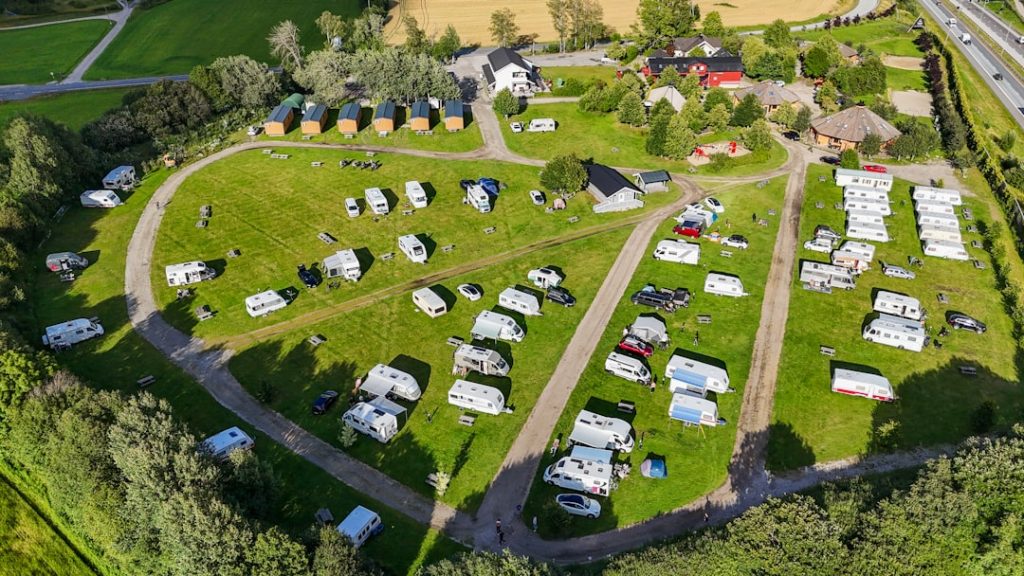
Campground quiet hours seem straightforward on paper, but enforcement varies dramatically based on campground type, staffing, and what specific behaviors trigger complaints from other campers. Private campgrounds typically respond to noise complaints more quickly than state parks, but they also tend to focus on easily measurable violations — loud music, generator use outside permitted hours, or vehicle noise — rather than the subtler issues that actually bother experienced campers most.
The complaints that get the fastest response aren’t always about volume level. Repetitive sounds like backup beepers, slamming doors, or running water pumps often generate more complaints than brief loud conversations. Many campgrounds have discovered that light violations during quiet hours create as many complaints as noise violations — bright exterior lights, TV screens visible through windows, or headlights sweeping across neighboring sites when people arrive late.
Staff enforcement capabilities depend heavily on whether someone is on-site overnight. Campgrounds with 24-hour staff can respond immediately, but many rely on morning follow-up for overnight violations, which means the damage to everyone’s sleep is already done. Some campgrounds use a three-strike system for repeat offenders, while others move problem campers to different sites rather than asking them to leave.
Understanding what actually gets reported helps you be a better neighbor. The behaviors that generate complaints most often aren’t dramatic — they’re things like generator use that extends past posted hours, doors slamming repeatedly during setup, or bright lights left on all night. A little awareness of how sound and light travel between sites, especially in densely packed campgrounds, prevents most issues before they start.