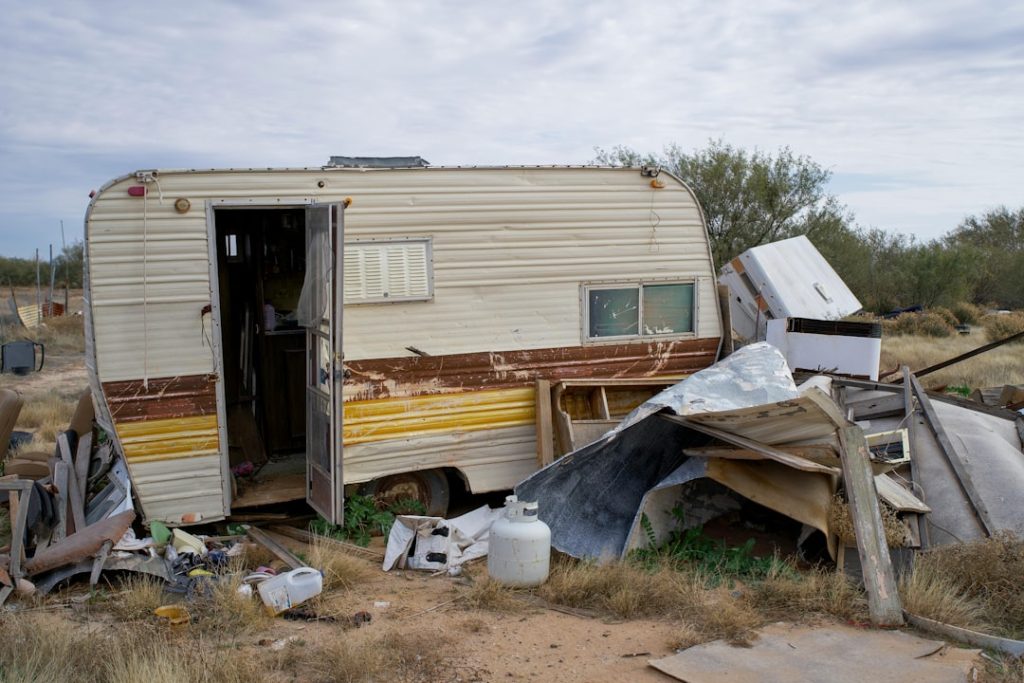
Most campgrounds update their website photos infrequently, often using images that were taken years ago or during optimal conditions that don’t reflect what you’ll actually find when you arrive. Individual site photos are especially unreliable because they’re expensive for campgrounds to maintain — taking quality shots of 50-200+ individual sites requires significant time and coordination.
The result is that many campground websites show generic photos, older images, or shots taken before trees grew up to block satellite reception or create clearance issues for larger rigs. Even when photos are current, they’re typically taken during the campground’s best season, not during the muddy spring conditions or winter months when site access might be limited.
Experienced RVers have learned to rely more on recent Google Street View imagery and satellite photos, which provide unfiltered views of access roads, site spacing, and terrain. Google’s imagery is typically updated every 1-2 years and shows actual conditions rather than marketing-optimized shots. You can virtually “drive” the campground roads to check for low branches, tight turns, or other access issues.
For critical reservations, many owners now use the campground’s phone number to ask specific questions rather than relying on photos: “Is site 23 level enough for a 35-foot motorhome?” or “Does site 15 have clear southern sky exposure for satellite?” Staff members who work the grounds daily can provide current, practical information that photos can’t convey. This approach takes a few extra minutes but prevents costly booking mistakes.