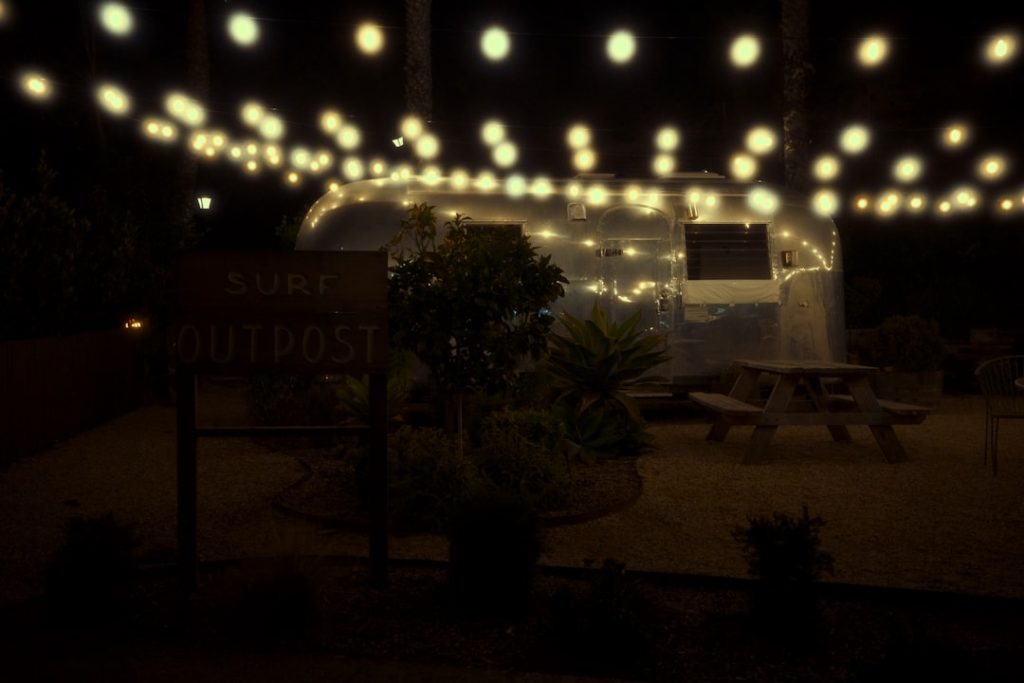
The location where you store your RV between trips has a measurable impact on its resale value, but not always in the ways new owners expect. Indoor climate-controlled storage preserves value best, but the benefit varies significantly based on your local climate and the RV’s age.
In sun-intense regions like Arizona or Southern California, covered storage becomes essential for maintaining exterior condition. The UV damage to decals, awning fabric, and rubber seals can knock thousands off resale value within just a few years of outdoor storage. Conversely, in mild Pacific Northwest climates, the premium paid for covered storage may exceed the protection value unless you’re keeping the RV for many years.
What surprises many owners is that storage facility reputation matters to future buyers. Well-maintained facilities with security, easy access, and good drainage create confidence in how the RV was cared for. Storage at questionable locations — even if cheaper — can raise red flags during resale. Buyers often ask where a unit was stored and may negotiate more aggressively if they perceive the storage situation as risky.
Smart owners photograph their storage setup and keep records of the facility’s features when it comes time to sell. Being able to show that your RV was stored on concrete rather than dirt, with proper ventilation and security, becomes a selling point. The monthly storage cost difference between good and marginal facilities is often recovered entirely in resale value, plus you have better access and peace of mind while you own it.