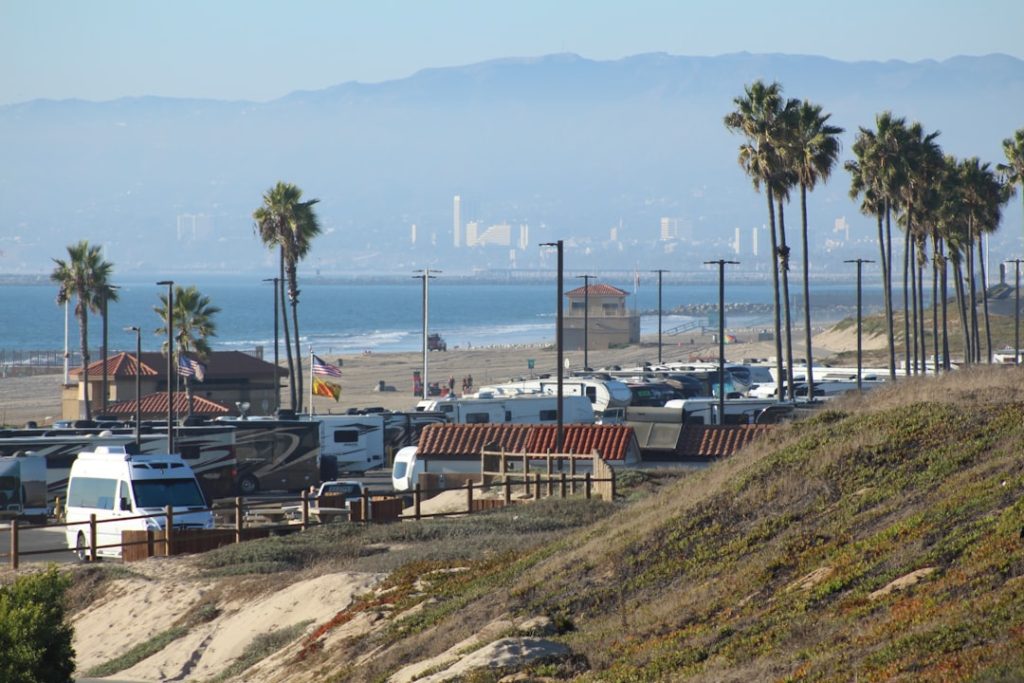
Dump stations at busy campgrounds often have long lines during checkout times, but the biggest delays aren’t caused by tank size — they’re caused by poor hose management and flow rates. Most RV owners don’t realize that standard sewer hoses have a relatively small internal diameter, which means gravity drainage happens much slower than it could with better setup techniques.
The most common mistake is laying the hose flat or with minimal slope between the RV and the dump inlet. Even a slight upward bend or belly in the hose dramatically slows drainage, turning a 5-minute dump into a 15-minute wait. Experienced RVers carry hose supports or use rocks and blocks to maintain consistent downward slope, which can cut dumping time in half and reduce the chance of backup or spillage.
Another issue is hose diameter and length. Many owners use the longest hose setup they can manage, thinking it gives them more flexibility, but longer hoses with multiple connectors create more opportunities for flow restrictions. A shorter, properly supported hose often drains faster than a longer one, even when the longer setup seems more convenient for positioning.
Some campgrounds have dump stations designed for specific flow rates, and backing up the system affects everyone waiting. If you’re new to dumping, it’s worth asking experienced campers about hose setup — most are happy to share techniques that keep the line moving efficiently. Small improvements in your dump routine make a difference when there are six RVs waiting behind you on a busy Sunday morning.