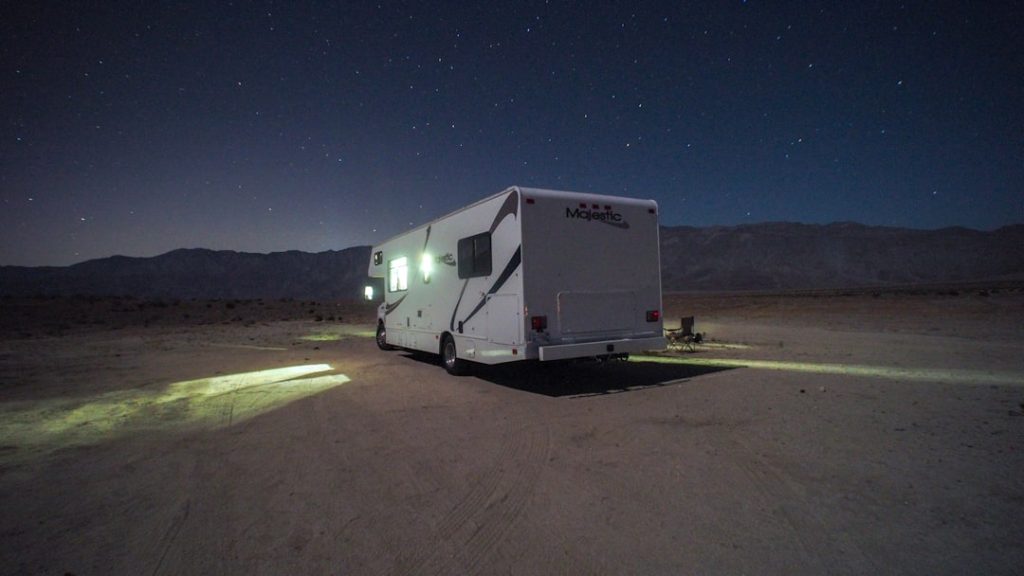
The weight stickers on your RV reflect the specific unit that rolled across the scale at the factory, but that’s rarely the RV you actually buy. Dealers routinely add equipment after manufacture — upgraded batteries, inverters, awnings, slide toppers, backup cameras — without updating the weight documentation. A few hundred pounds of dealer-installed options can push you closer to your limits than the paperwork suggests.
Even factory weights can be misleading because manufacturers weigh units with minimal fluids and no propane. Your actual empty weight includes full propane tanks, a charged fresh water system for testing, and sometimes a partial fuel tank if it’s a motorhome. The real surprise is how much standard equipment varies between identical model numbers. Two units with the same floor plan might differ by 200-300 pounds depending on appliance variations, cabinet hardware, or even different production runs of the same components.
The practical solution is to weigh your RV yourself after you’ve loaded it for typical use, not rely on factory stickers for payload calculations. Many experienced owners are surprised to find their actual loaded weight is 15-20% higher than they expected based on the manufacturer’s empty weight plus their estimated cargo.
Truck stops with certified scales charge around ten dollars for a weigh ticket, and some RV rallies offer free weighing services. Getting separate wheel position weights helps identify balance issues too. It’s worth doing this early in your ownership rather than assuming the paperwork matches your real-world situation.