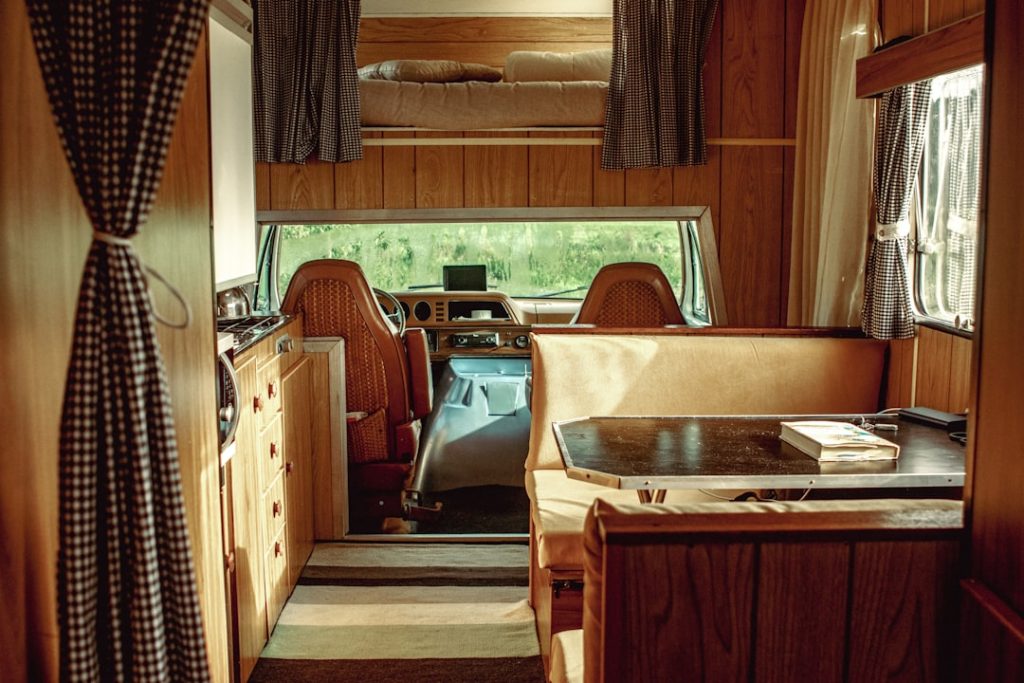
While newbies pay $50-$80 nightly at RV parks, experienced RVers sleep free in Walmart parking lots, truck stops, and even city streets – completely legally. The secret isn’t about finding ‘hidden’ spots; it’s understanding the difference between camping and parking overnight. Most ‘no camping’ signs don’t prohibit overnight parking.
The key distinction: camping involves setting up chairs, awnings, or external equipment. Overnight parking means staying inside your self-contained RV. Many cities actually encourage this for driver safety. Walmart has an unofficial policy allowing RV overnight parking at 4,000+ locations, saving RVers $15,000+ annually compared to nightly campground fees.
Here are the insider rules veteran boondockers follow:
- Never deploy slides, awnings, or set up outside equipment
- Arrive after dark, leave early morning
- Use apps like FreeRoam and Campendium to verify current policies
- Always ask permission at businesses – 90% say yes when asked politely
- Rotate locations every 1-2 nights maximum
One couple I know traveled 48 states spending just $2,400 on camping over 18 months by mastering legal overnight parking. They stayed at everything from casino parking lots (which often provide free hookups) to 24-hour fitness centers where they maintained gym memberships for showers. The average RVer spends $12,000+ annually on campgrounds for the same experience.