Solar Panel Showdown: Renogy vs. Jackery vs. Goal Zero – Which Is Right for You?
Not all solar setups are built the same – and choosing the wrong type could mean overpaying for power you can’t use, or buying a system that doesn’t fit your lifestyle.
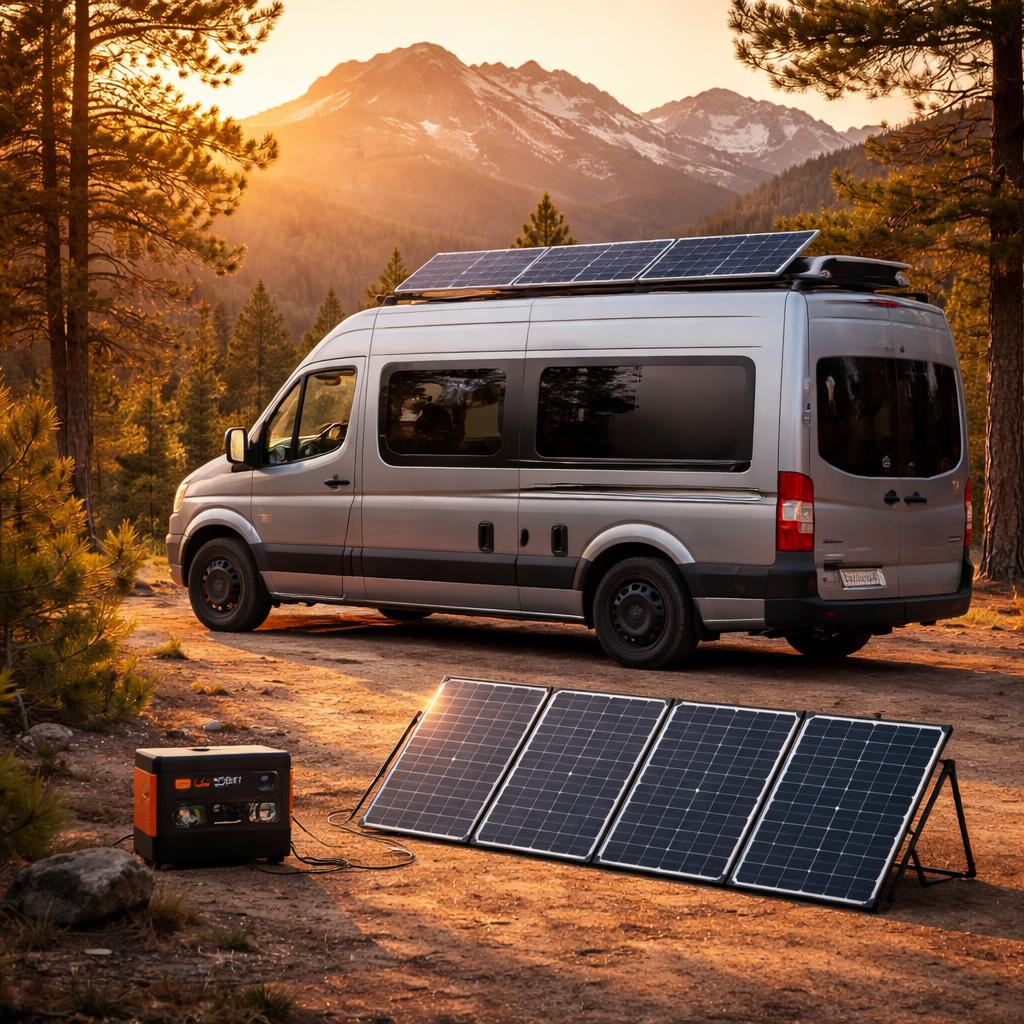
This guide directly compares Renogy, Jackery, and Goal Zero across one key dimension: portable solar generators vs. fixed RV solar kits. Jackery and Goal Zero are designed for portability – grab-and-go power stations great for camping trips and short adventures. Renogy, by contrast, is built for roof-mounted, permanent RV solar installations that deliver consistent power while you’re on the road for weeks or months at a time.
By the end of this comparison you’ll know which system fits your travel style, budget, and power needs.
Why Choose Solar for Your RV or Outdoor Adventures?
Before diving into the brand comparison, here’s a quick reminder of why solar is worth the investment:
- Eco-friendly power – Clean, renewable energy that reduces reliance on fossil fuels.
- Lower energy costs – After installation, solar can significantly cut electricity expenses.
- Off-grid flexibility – Power devices in remote locations without shore power or a generator.
- Energy independence – Control how your power is produced and used, on your schedule.
Understanding Solar Panel Basics
A few key terms that appear in all product specs:
- Watt (W) – The panel’s maximum power output.
- Efficiency – How much sunlight converts to usable electricity. Higher = more power per square foot.
- Cell type – Monocrystalline panels offer better efficiency than polycrystalline.
- Charge controller – Protects your battery by regulating voltage and current.
- Inverter – Converts DC solar power into AC power for household appliances.
- Battery capacity (Wh) – How much energy is stored and available when the sun isn’t shining.
Portable Solar vs RV Solar Panel Kits: What’s the Difference?
This is the most important distinction in this comparison – and the one most buyers overlook.
Portable Solar Systems (Jackery & Goal Zero)
Jackery and Goal Zero make portable power stations – self-contained units that combine a battery, inverter, and charging management in one box. You pair them with foldable solar panels that you set up when you park and pack away when you move. They’re designed for:
- Weekend camping and overlanding trips
- Emergency backup power at home
- Powering small devices (laptops, phones, a mini fridge)
- Users who want a plug-and-play experience with zero installation
Limitation: Portable systems have capped battery capacity and output power. They are not designed to run a full RV with air conditioning, a microwave, or high-draw appliances continuously.
RV Solar Kits (Renogy)
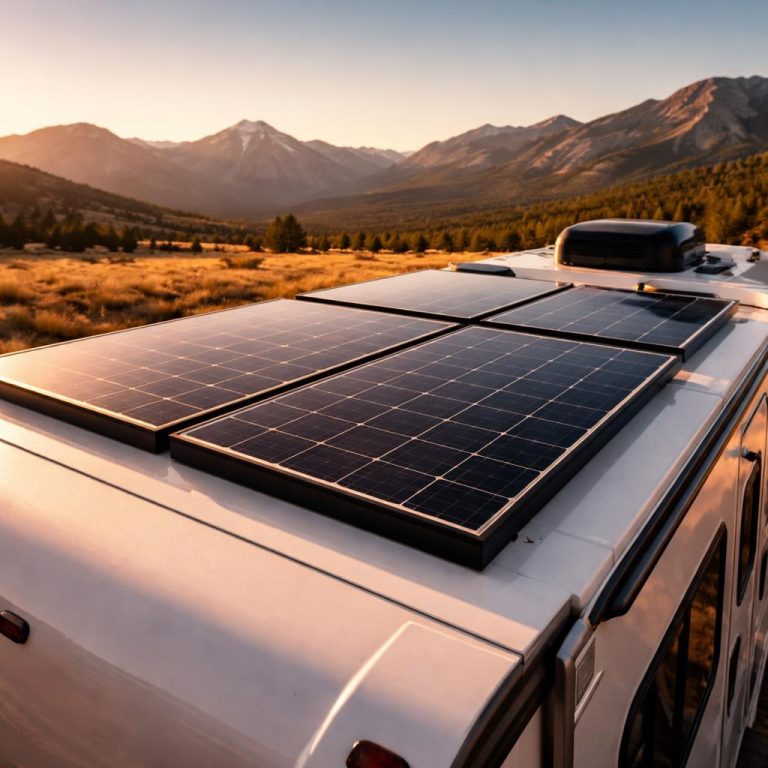
Renogy specializes in roof-mounted, fixed RV solar systems. Rigid panels are permanently installed on your RV roof, wired into your RV’s battery bank through a charge controller, and connected to an inverter for AC power. These systems are designed for:
- Full-time or long-term RV living
- Running high-draw appliances (AC units, refrigerators, microwaves)
- Boondocking for days or weeks without shore power
- Scalable power – add more panels and batteries as your needs grow
Key difference: Renogy is not a portable system. It is a permanent installation that becomes part of your RV’s electrical infrastructure – and delivers far more power capacity as a result.
Renogy vs Jackery vs Goal Zero: Brand Breakdown
Renogy – Fixed RV Solar Kits
Renogy is the most established brand in the DIY and RV solar space, offering everything you need to build a complete roof-mounted solar system: rigid monocrystalline panels, MPPT charge controllers, lithium batteries, inverters, wiring, and mounting hardware. Unlike Jackery or Goal Zero, Renogy is not a portable system – it is a permanent RV solar installation designed to power your rig continuously.
Key Features:
- Roof-mounted, fixed installation – Panels are permanently wired into your RV’s electrical system for continuous power generation while driving or parked.
- Scalable power – Start with a 200W kit and expand to 800W, 1200W, or more as your needs grow.
- Affordability – Renogy offers the best value per watt compared to portable alternatives.
- Complete ecosystem – Panels, charge controllers, batteries, inverters, and accessories all available from one brand.
- LiFePO4 battery option – Longer cycle life and safer chemistry than standard lithium-ion.
Potential Drawbacks:
- Requires installation – not plug-and-play. DIY or professional install needed.
- Not portable – once installed, panels stay on the roof.
- Setup takes more planning and technical knowledge.
Best For: Full-time RVers, boondockers, and weekend warriors who want a permanent, high-capacity solar system that delivers serious power without ongoing fuel costs.
Jackery – Portable Solar Generators
Jackery makes compact, portable power stations that pair with foldable solar panels. Their systems are true plug-and-play – no installation, no wiring, no technical knowledge required. Unfold the panels, plug in the cable, and you’re charging.
Key Features:
- Portable and lightweight – Designed to be carried to your campsite and packed away when you leave.
- All-in-one unit – Battery, inverter, and charge controller in one box.
- Ease of use – Completely plug-and-play, ideal for beginners.
- Reliable performance – Consistent output for phones, laptops, and small appliances.
Potential Drawbacks:
- Higher cost per watt-hour compared to a Renogy DIY system.
- Limited capacity – not suitable for high-draw appliances or extended off-grid use.
- Standard lithium-ion battery with ~500 cycles to 80% capacity.
Best For: Campers, van lifers, and weekend adventurers who want simple, portable power without installation.
Goal Zero – Premium Portable Solar
Goal Zero is a pioneer in portable solar with a reputation for rugged, high-quality products and strong sustainability values. Their Yeti power stations and Boulder/Nomad solar panels cater to outdoor enthusiasts and those who want a premium, integrated portable experience.
Key Features:
- Rugged durability – Built for harsh outdoor conditions.
- Seamless integration – Goal Zero products are designed to work together out of the box.
- Sustainability focus – Commitment to recycled materials and renewable energy initiatives.
- High-capacity options – The Yeti line scales up to larger capacities for extended use.
Potential Drawbacks:
- Premium price – the most expensive option in this comparison.
- Heavier than Jackery equivalents at similar capacity.
- Narrower product range compared to Renogy.
Best For: Outdoor enthusiasts who prioritize build quality, sustainability, and a premium portable experience and have the budget to match.
Renogy vs Jackery vs Goal Zero: Side-by-Side Comparison
| Feature | Renogy | Jackery | Goal Zero |
|---|---|---|---|
| System Type | Fixed RV solar kit | Portable generator | Portable generator |
| Price Range | Affordable | Mid-range | Premium |
| Portability | Not portable (roof-mounted) | Highly portable | Portable |
| Ease of Setup | DIY installation required | Plug-and-play | Plug-and-play |
| Customization | Highly customizable / scalable | Limited | Limited |
| Power Output | High (scales to 1200W+) | Moderate | Moderate–High |
| Best Use Case | Full-time RV / boondocking | Camping / weekend trips | Outdoor adventures |
| Panel Efficiency | Up to 21% | Up to 24.3% | Up to 20% |
| Warranty | Varies by product | 2 years | 2 years |
| Durability | Durable (weather-resistant) | Durable | Highly durable |
Power Station Comparison: Renogy Lycan 5000 vs Jackery Explorer 1000 vs Goal Zero Yeti 1500X
For those who want to compare specific power station models across brands:
| Feature | Renogy Lycan 5000 | Jackery Explorer 1000 | Goal Zero Yeti 1500X |
|---|---|---|---|
| Capacity | 5,000 Wh | 1,002 Wh | 1,516 Wh |
| Output Power | 3,500W (7,000W surge) | 1,000W (2,000W surge) | 2,000W (3,500W surge) |
| Battery Type | LiFePO4 | Lithium-ion | Lithium NMC |
| Cycle Life | 4,500+ cycles to 80% | 500 cycles to 80% | 500 cycles to 80% |
| Charging Options | AC, Solar, Car | AC, Solar, Car | AC, Solar, Car |
| Weight | 114.6 lbs | 22 lbs | 45.64 lbs |
| Price | $4,499.99 | $1,099 | $2,099 |
Note: The Renogy Lycan 5000 is a large-capacity base station, not a portable unit. Its LiFePO4 chemistry and 4,500+ cycle life make it a very different product category from the Jackery and Goal Zero portable units above.
Tips for Choosing Between Portable Solar and an RV Solar Kit
- How long are your trips? Weekend getaways → portable. Full-time or extended boondocking → RV solar kit.
- What do you need to power? Phones and laptops → portable fine. Refrigerator, AC, microwave → RV solar kit.
- Do you want to install panels on your roof? Yes → Renogy. No → Jackery or Goal Zero.
- What’s your budget? Renogy offers the best value per watt for a permanent system. Portable units cost more per watt-hour but need zero installation.
- Do you need scalability? Renogy systems can grow with you. Portable units are largely fixed in capacity.
Frequently Asked Questions
Renogy vs Jackery – which is better for an RV?
It depends on how you use your RV. If you’re a full-timer or frequent boondocker who needs to run a refrigerator, charge multiple devices, and potentially power an AC unit, a Renogy roof-mounted RV solar kit is far better suited – it delivers more capacity, scales up easily, and powers the rig continuously. If you take occasional weekend camping trips and only need to charge phones, a laptop, and run a small fan, a Jackery portable power station may be all you need.
Are portable solar generators enough for full-time RV use?
For most full-timers, no. Portable units from Jackery and Goal Zero are designed for supplemental or light-duty power. Their battery capacity is limited, cycle life is shorter, and they can’t run high-draw appliances like air conditioning for extended periods. Full-time RV living typically calls for a roof-mounted solar array with a dedicated battery bank – exactly what Renogy is built for.
Can I use a Jackery or Goal Zero alongside a Renogy RV system?
Absolutely. Many RVers use a portable power station as a convenient supplemental source – great for powering devices outside the RV at a picnic table, or as an emergency backup. Using both systems together gives you the best of both worlds.
Is Renogy hard to install on an RV roof?
Renogy kits come with detailed instructions and are designed with DIY users in mind. Many RV owners install their own systems with basic tools and a few hours of time. If you’re not comfortable working with 12V wiring, hiring an RV technician or solar installer is a straightforward option.
Goal Zero vs Jackery – which portable brand is better?
Both are excellent. Jackery wins on price and weight for comparable capacity. Goal Zero wins on build quality, ruggedness, and sustainability credentials. If budget is your main concern, Jackery is the better value. If you prioritize durability and long-term reliability, Goal Zero is worth the premium.
Final Verdict: Which Solar System Is Right for You?
Here’s the simple breakdown:
- 🏕️ Weekend camper / occasional use? → Go portable with Jackery or Goal Zero.
- 🚐 Full-time RVer or serious boondocker? → Install a fixed Renogy RV solar kit.
- 💰 Best value for a permanent system? → Renogy, without question.
- 🏆 Best premium portable experience? → Goal Zero.
- ⚡ Simplest plug-and-play portable? → Jackery.
Ready to Build Your RV Solar Setup?
Choosing between portable solar and a fixed RV system is just the first step. To build a complete and reliable setup, it’s worth understanding your full power options and how everything connects together.
🔗 Best RV Electrical Power Solutions – Compare all RV power options including solar, generators, and battery systems.
🔗 RV Solar Panel Guide – Learn how to size, install, and choose the right solar system for your RV.
Prices and specifications are subject to change. Always check the manufacturer’s website for the most current information before purchasing.