🗺️ Trip of the Week – April 6, 2026
🗺️ Trip of the Week
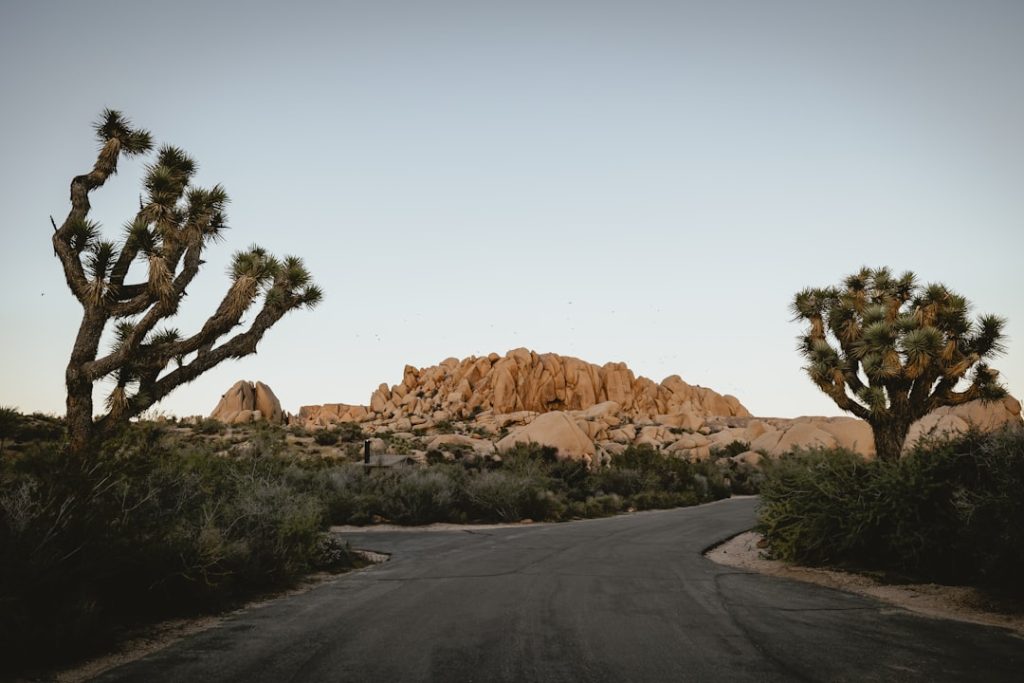
Exploring Joshua Tree National Park: California’s Desert Gem
Experience the otherworldly landscapes of Joshua Tree National Park, where twisted Joshua trees and massive boulder formations create an unforgettable desert backdrop. Spring is the ideal time for a Joshua Tree National Park adventure, with mild temperatures and wildflower blooms painting the desert floor. This week-long journey combines world-class rock climbing, scenic hiking trails, and some of the darkest skies in Southern California.
📖 About This Destination
❄️ Seasonal Tips
Spring (March-May) is ideal with daytime temperatures 70-85°F and cool evenings (45-55°F). Wildflowers typically peak in April. Pack layers for temperature swings between day and night. Bring at least 3 liters of water per person daily, sunscreen, and a hat. Wind can be strong in spring, especially in March. Evening stargazing requires warm clothing. Avoid summer (June-September) when temperatures exceed 100°F. Winter is cooler but less scenic.
📍 Location
✨ What to See & Do
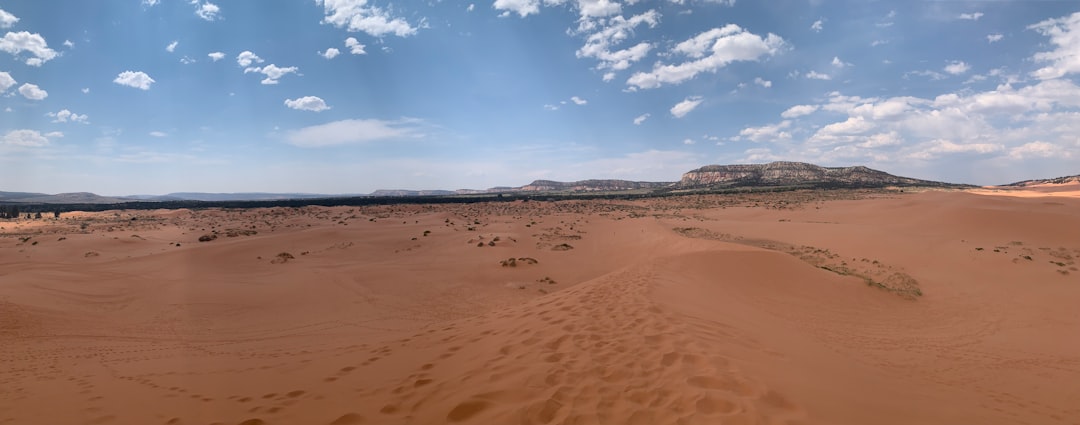
Keys View Panorama
Drive to this 5,185-foot elevation viewpoint for breathtaking vistas encompassing three deserts—the Mojave, Colorado, and Great Basin—plus San Bernardino Valley and the Salton Sea. The view stretches over 100 miles on clear days. Sunset and sunrise photography here is extraordinary, with golden and pink light illuminating the desert landscape. Spring visibility is excellent with minimal haze.
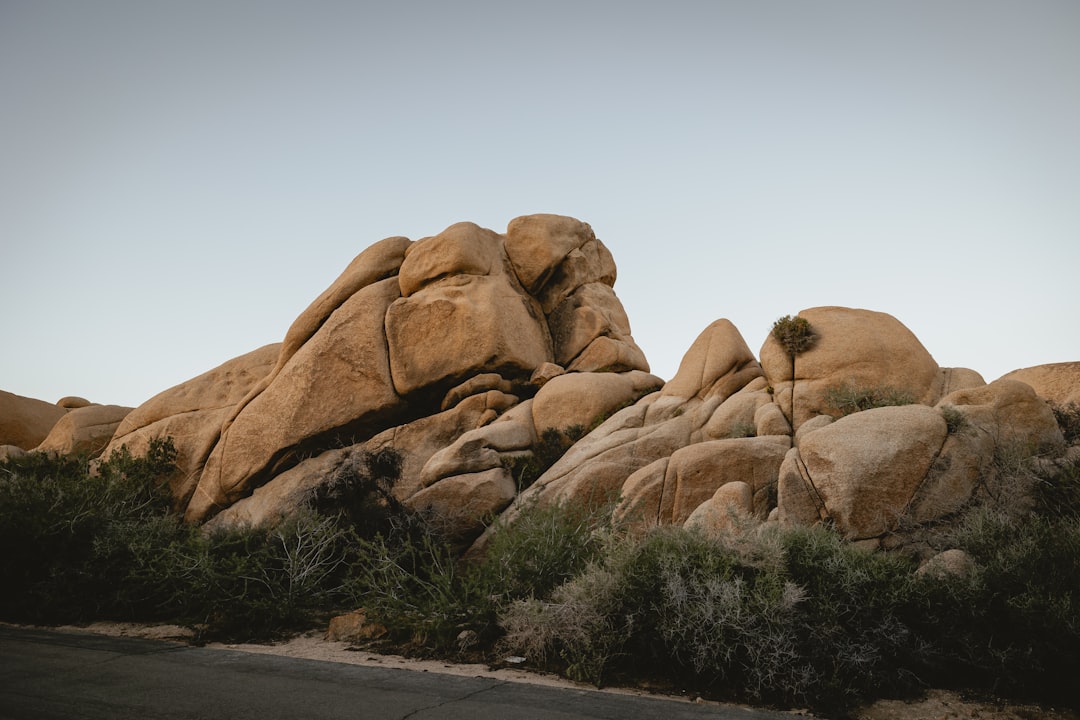
Wonderland of Rocks Exploration
This massive area of jumbled granite boulders creates a natural maze of formations and narrow passages perfect for hiking and exploration. The scenery feels almost lunar, with massive rocks balanced precariously overhead. Spring temperatures make scrambling through these formations comfortable. The Wonderland offers endless photo opportunities and hidden coves for peaceful contemplation.
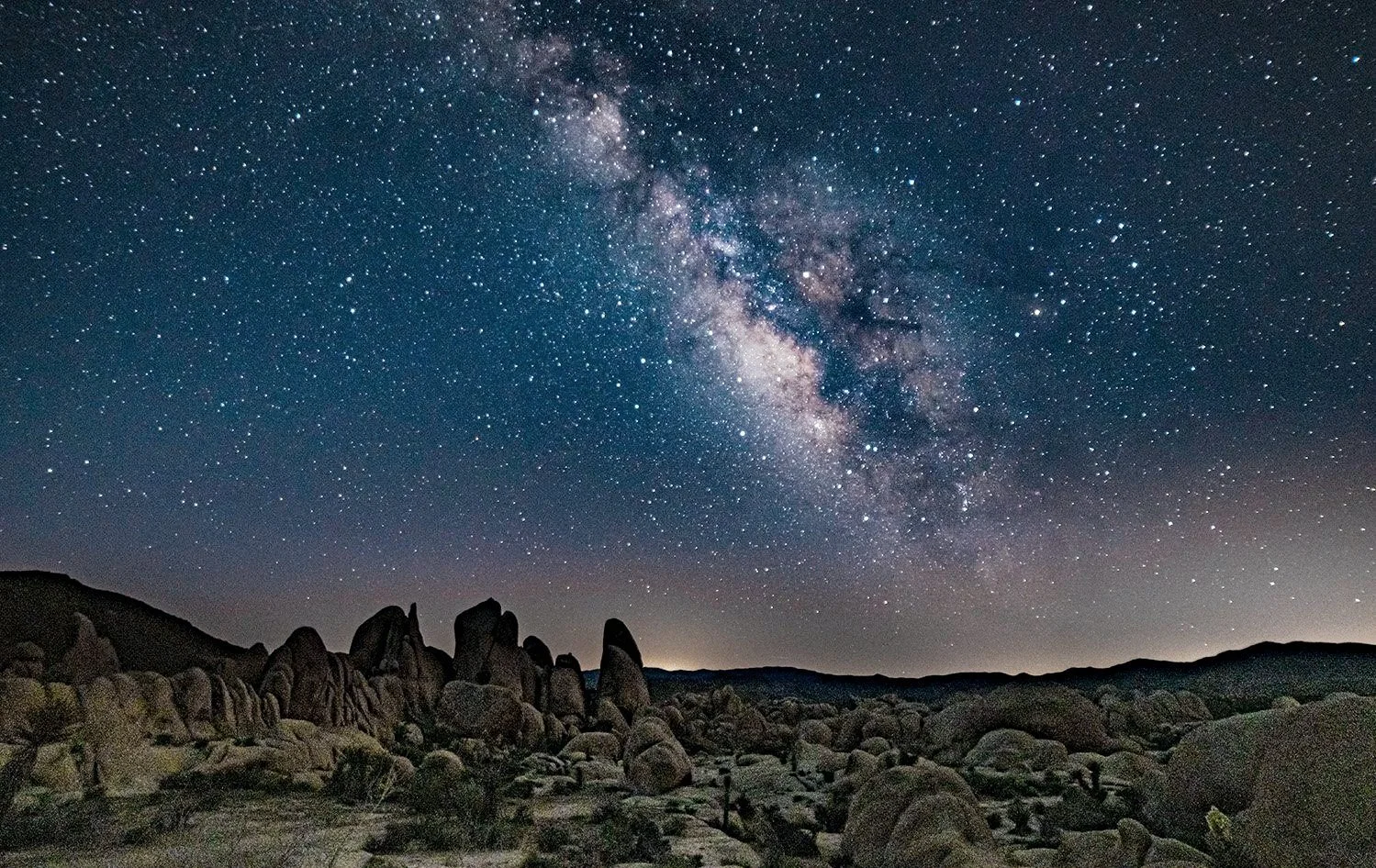
Joshua Tree Stargazing Experience
As an International Dark Sky Park, Joshua Tree offers some of the darkest skies in Southern California, perfect for observing the Milky Way, constellations, and planets. Spring nights are crisp and clear, ideal for astrophotography. The park rangers offer night sky programs at Jumbo Rocks Campground explaining celestial objects and seasonal constellations. Bring a telescope or binoculars to enhance your cosmic experience.
Hidden Valley Wildflower Loop
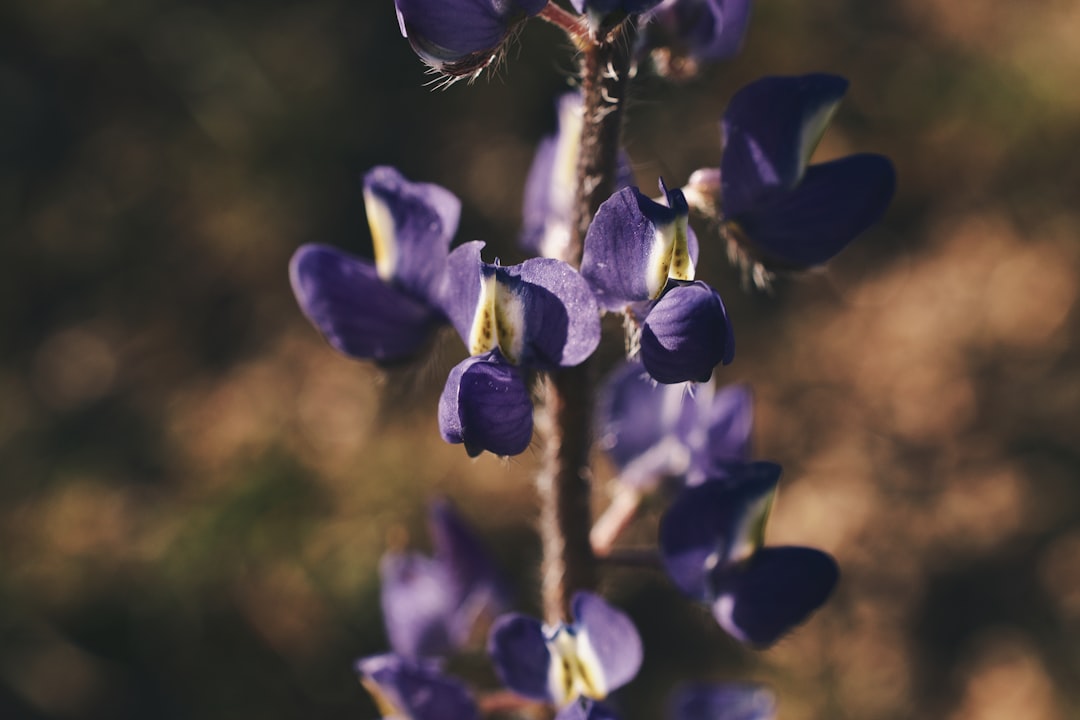
This easy 1-mile loop trail showcases the desert's spring transformation with vibrant wildflower displays including lupine, brittlebush, and poppies. The trail winds through a secluded valley surrounded by impressive boulder formations. Early morning light is perfect for photographing delicate blooms against the desert backdrop. The trail is relatively shaded by rock formations, providing relief from direct sun.
Rock Climbing and Bouldering Adventures
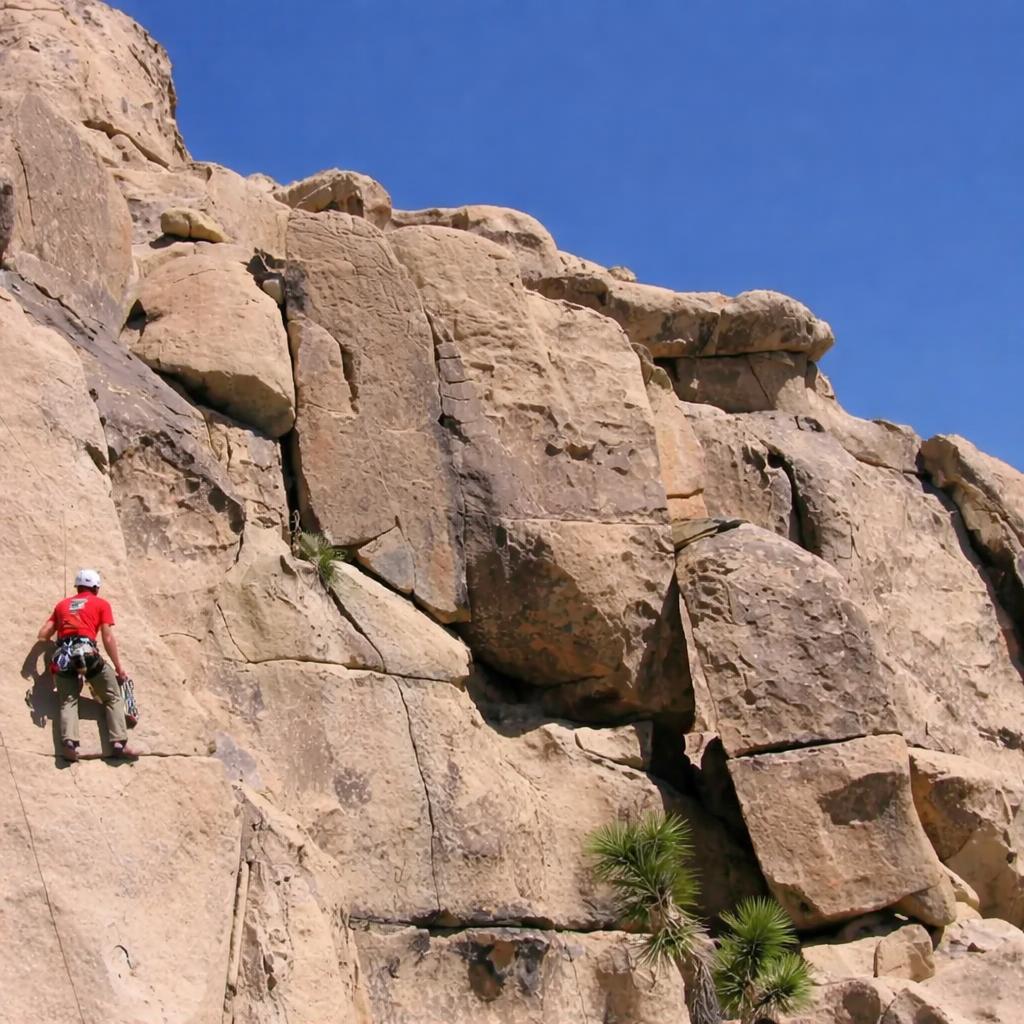
With 8,000+ established routes, Joshua Tree is a world-renowned climbing destination suitable for beginners through advanced climbers. Spring conditions are ideal with cooler temperatures and stable weather. Popular beginner areas include Wonderland of Rocks and Rock Scramble areas. Local climbing guides and shops in nearby towns offer instruction, equipment rental, and route recommendations for all skill levels.
🍽️ Where to Eat
Discover fantastic dining options in the area.
🍽️ Pappy & Harriet's, American BBQ
🍽️ The Natural Sisters Cafe, Vegetarian
🍽️ Crossroads Cafe, American Diner
🍽️ Santana's Mexican Restaurant, Mexican
🍽️ Pie for the People, Bakery/Cafe
❓ Frequently Asked Questions
Is Joshua Tree National Park good for RVs in spring?
Yes, spring is excellent for RV camping at Joshua Tree. Temperatures are mild (70-80°F daytime), and the park's nine campgrounds accommodate RVs, though only some have hookups. Book early for spring weekends, as popular spots fill quickly. Stay in nearby Twentynine Palms or Joshua Tree town for full hookup options.
What is the best time to visit Joshua Tree National Park?
Spring (March-May) and fall (September-November) offer the best conditions with comfortable temperatures and clear skies. Spring features wildflower blooms and is ideal for hiking and stargazing. Summer temperatures exceed 100°F, making daytime activities challenging, while winter is cooler but less scenic.
How long should I spend at Joshua Tree National Park?
Plan for 3-5 days to experience major attractions including hiking, rock formations, scenic drives, and stargazing. A full week allows time for multiple trails, photography, and relaxation. Day visitors can see highlights in 4-6 hours, but overnight stays capture the park's incredible night sky.
Can you see wildflowers at Joshua Tree in spring?
Yes, spring wildflower blooms typically peak in April, showcasing lupine, brittlebush, and desert sunflowers. The best viewing is after adequate winter rainfall. Check park conditions before visiting, as bloom timing varies. Bring a wildflower identification guide to enhance your experience.
What are the best hiking trails for beginners at Joshua Tree?
Easy beginner trails include Hidden Valley Loop (1 mile), Barker Dam Trail (1.4 miles), and Cholla Cactus Garden (0.25 mile). These offer stunning scenery without significant elevation gain. Bring at least 2 liters of water per person and start early to avoid afternoon heat.