🗺️ Trip of the Week – March 30, 2026

🗺️ Trip of the Week
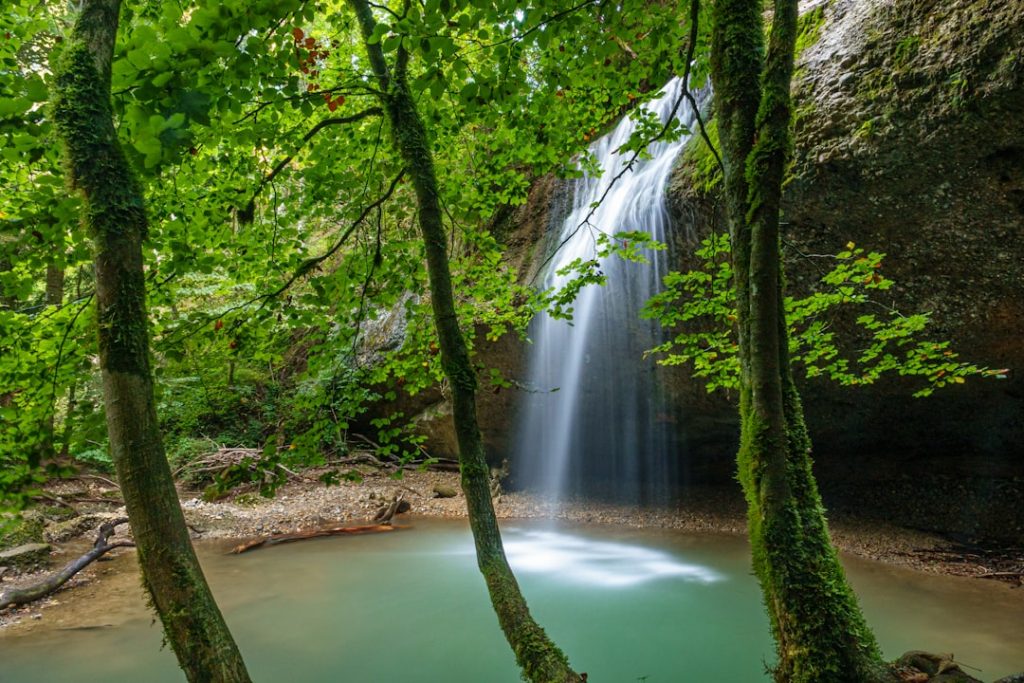
Cascading waterfall flowing through moss-covered trees in the Hoh Rainforest, Olympic National Park

Exploring Olympic National Park: Washington’s Natural Wonder

Olympic National Park spans three distinct ecosystems across Washington's Olympic Peninsula: temperate rainforests, alpine mountains, and pristine Pacific coastline. This spring, experience an Olympic National Park RV trip that showcases cascading waterfalls, emerald valleys, and wildlife viewing opportunities as nature awakens after winter. The park's diverse landscapes make it one of the most rewarding destinations for a Pacific Northwest road trip.

🏔️ Difficulty: easy
⏱️ Travel Time: 5-7 days minimum; 2 weeks for complete exploration
🗓️ Best Time: April through October, with spring (April-May) offering waterfalls at peak flow, wildflower blooms, and fewer crowds than summer. June-July provides warmest weather and most accessible high-elevation trails. Fall (September-October) offers clear skies and fewer visitors but shorter daylight.
💰 Estimated Cost: $800-1,500 per person for a week-long trip including RV campground fees ($20-45/night), meals ($40-80/day), park entrance fee ($30), fuel, and activity costs. Budget higher for private RV parks with hookups ($35-55/night) versus in-park camping.

📖 About This Destination

**Discovering Olympic National Park’s Three Distinct Regions** Olympic National Park encompasses nearly one million acres across Washington’s Olympic Peninsula, offering three remarkably different ecosystems within easy driving distance. Spring is an ideal time to visit, as wildflowers begin blooming in the meadows, waterfalls swell with snowmelt, and the rainforests transform into lush green wonderlands. An Olympic National Park RV trip allows you to explore all three regions—the rainforest valleys, the alpine peaks, and the rugged coastal wilderness—creating a diverse and unforgettable week-long adventure. **The Temperate Rainforests of the Hoh and Quinault Valleys** The Hoh Rainforest is one of the most spectacular temperate rainforests in North America, featuring massive Sitka spruces and western red cedars draped in emerald moss. The 17-mile Hoh River Road leads you through increasingly lush landscape to the Hoh Visitor Center. Spring is magical here—the forest floor erupts with wildflowers, waterfalls cascade down mossy cliffs, and elk emerge from winter shelters. The popular 3-mile Hall of Mosses trail rewards hikers with otherworldly scenery of gnarled trees covered in thick moss and filtered golden light. The nearby Quinault Rainforest offers equally stunning views with fewer crowds, accessible via the 3.7-mile Quinault Loop Trail through old-growth forest and along the pristine Quinault River. **Alpine Adventure in the Mountains** The rugged alpine regions of Olympic National Park showcase dramatic mountain scenery accessible via two main approaches. The Obstruction Point Road (21 miles from Port Angeles) climbs to 6,150 feet elevation, offering panoramic views of the Cascades and the Strait of Juan de Fuca. In spring, this road typically opens in late April, revealing windswept meadows and hardy alpine wildflowers. The Hoh River Trail provides a challenging but rewarding alpine experience, climbing 17 miles through rainforest before opening into subalpine meadows with views of Mount Olympus and surrounding peaks. The Skyline Trail near Paradise offers shorter alpine hikes (3-6 miles) with wildflower meadows and mountain vistas perfect for spring visitors. Bring layers, as alpine weather changes rapidly even in spring. **Coastal Wilderness and Hidden Beaches** Olympic’s rugged Pacific coastline stretches 60 miles and features dramatic sea stacks, tide pools teeming with marine life, and remote beaches accessible only by hiking. The Second Beach Trail (3.7 miles round trip) leads to a stunning crescent of sand framed by towering rock formations and perfect for spring beachcombing. Third Beach extends another 1.5 miles along the shore to a sea stack island, and the adventurous can continue to Hoh Head for more coastal exploration. Rialto Beach (accessible via a short 1-mile walk) offers excellent tide pooling opportunities when you time your visit with low tide—spring storms frequently churn up interesting shells and sea glass. Point of Arches contains numerous arches and sea caves, making it photographer’s paradise during the golden hour of spring evenings. **Wildlife Viewing and Spring Awakening** Spring brings abundant wildlife activity to Olympic National Park. Roosevelt elk emerge from winter grounds and can be spotted in the river valleys, particularly in the Hoh and Quinault areas in early morning or evening. Black-tailed deer are common throughout the park. The offshore waters begin showing gray whales during their northbound migration in spring, visible from coastal vantage points. Birdwatchers will appreciate the spring arrival of migratory species, including bald eagles, osprey, and numerous songbirds. The Klahhane Ridge Trail offers excellent opportunities to spot mountain goats on rocky slopes in their natural habitat. **Practical RV Logistics and Accommodations** Olympic National Park has three main visitor areas spread across the peninsula: the Hoh Rainforest area (35 miles south of Port Angeles), the Port Angeles gateway with Obstruction Point access, and the coastal regions near Forks. Most RV facilities are located outside the park. Forks-Mora KOA (located in Forks, 20 miles from the rainforest) offers full hookups and is ideal for rainforest exploration. Port Angeles provides northern access with amenities at Port Angeles RV Park. The park itself has two RV-accessible campgrounds: Hoh Campground (95 sites, no hookups) and Fairholme Campground (88 sites, no hookups). These campgrounds fill quickly in spring, so arrive early or make reservations. The drive between regions takes 1-2 hours, making it feasible to base yourself in one location and day-trip, or move every 2-3 days to experience all three ecosystems. **Planning Your Spring Visit to Olympic National Park** A complete Olympic National Park road trip typically requires 5-7 days to experience all major highlights without rushing. Spring offers the best combination of accessible trails, fewer crowds than summer, and dramatic water features swollen with snowmelt. Pack layers for highly variable weather—the rainforest can be cool and damp even in May, while coastal areas and alpine regions can be surprisingly warm on sunny days. Bring rain gear regardless; the park receives 140+ inches of annual precipitation, mostly in winter, but spring showers are common. Many high-elevation trails remain snow-covered through May, so check conditions with ranger stations before attempting steep alpine hikes. The park entrance fee is $30 per vehicle for a 7-day pass, or $80 for an annual America the Beautiful pass.

❄️ Seasonal Tips

Spring (April-May) offers moderate temperatures (40-55°F), wildflower blooms, and peak waterfall flow from snowmelt. Pack waterproof layers and rain gear—the rainforest receives significant precipitation year-round. High-elevation roads typically open by late April. Bring insect repellent for emerging spring insects. Mornings and evenings are cool; bring a jacket. Low tide tables are essential for coastal exploration; check NOAA tide predictions before visiting beaches.

📍 Location

✨ What to See & Do
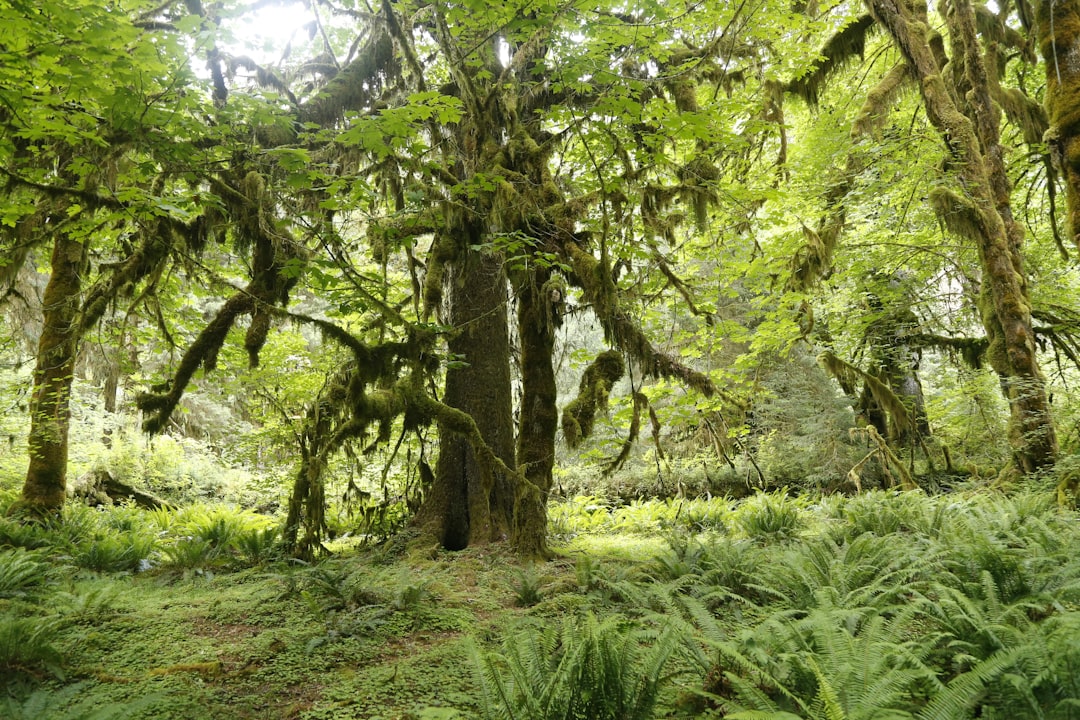
Hall of Mosses Trail
📍 Hall of Mosses Trail

Hall of Mosses Trail

This iconic 3-mile round trip through the Hoh Rainforest showcases nature's most enchanting landscape. Towering Sitka spruces and western red cedars are draped in thick moss, creating an almost supernatural green environment. Spring brings cascading waterfalls, wildflower patches on the forest floor, and abundant moisture that makes the moss impossibly vibrant. The trail is easy and well-maintained, perfect for all fitness levels.
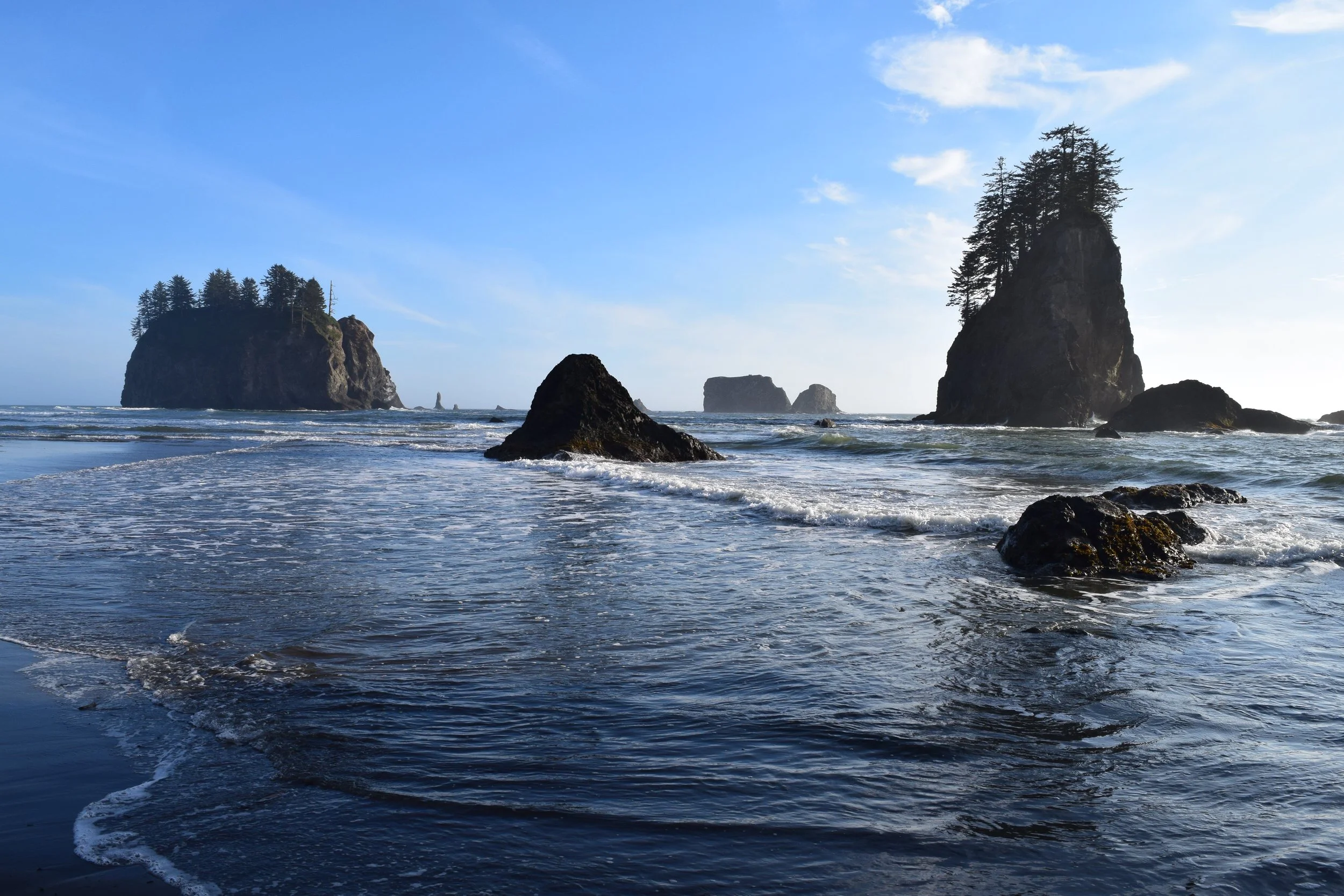
Second Beach and Sea Stacks
📍 Second Beach and Sea Stacks

Second Beach and Sea Stacks

A spectacular 3.7-mile round trip coastal hike leading to a pristine crescent beach framed by massive sea stacks and rock formations. In spring, tide pools teem with starfish, anemones, and other marine creatures. The beach is excellent for photography, especially during golden hour when light illuminates the dramatic rock formations. Low tide reveals hidden caves and extends your exploration opportunities.
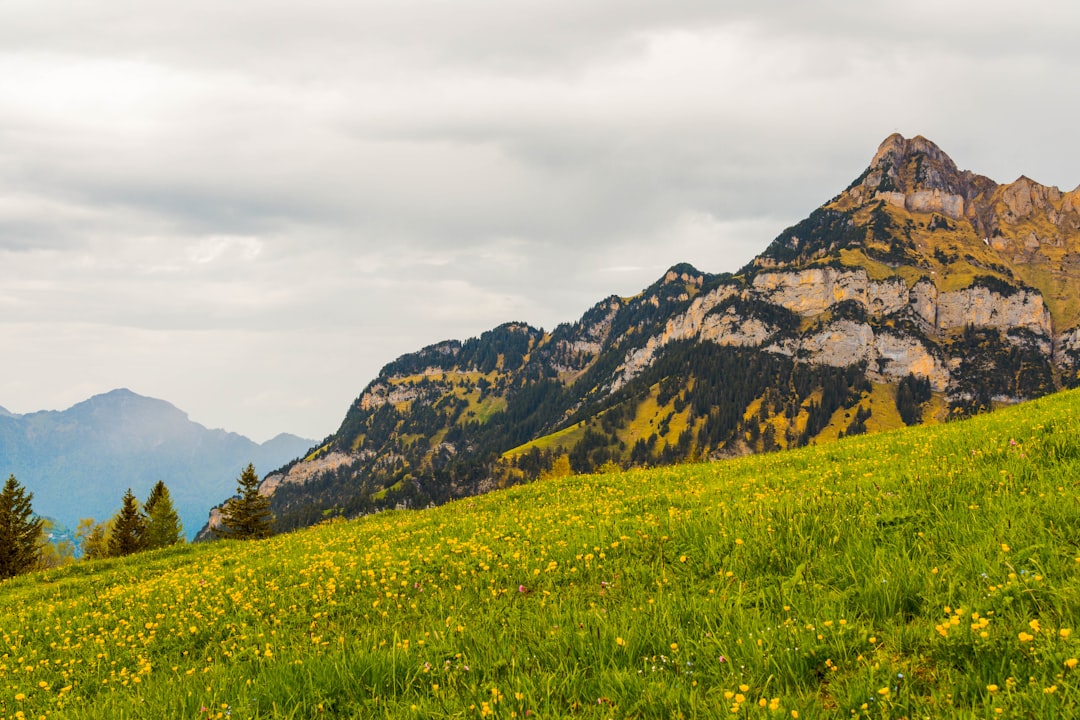
Obstruction Point Alpine Road and Meadows
📍 Obstruction Point Alpine Road and Meadows

Obstruction Point Alpine Road and Meadows

This scenic 21-mile drive climbs to 6,150 feet elevation with panoramic mountain and water views. Spring typically sees the road opening in late April, revealing wildflower-covered meadows and subalpine vistas. Numerous pullouts offer photo opportunities, and short walks access even more dramatic viewpoints. The Blue Glacier Trail provides a moderate hiking option with Mount Olympus views.
Quinault Rainforest Loop Trail
📍 Quinault Rainforest Loop Trail

Quinault Rainforest Loop Trail

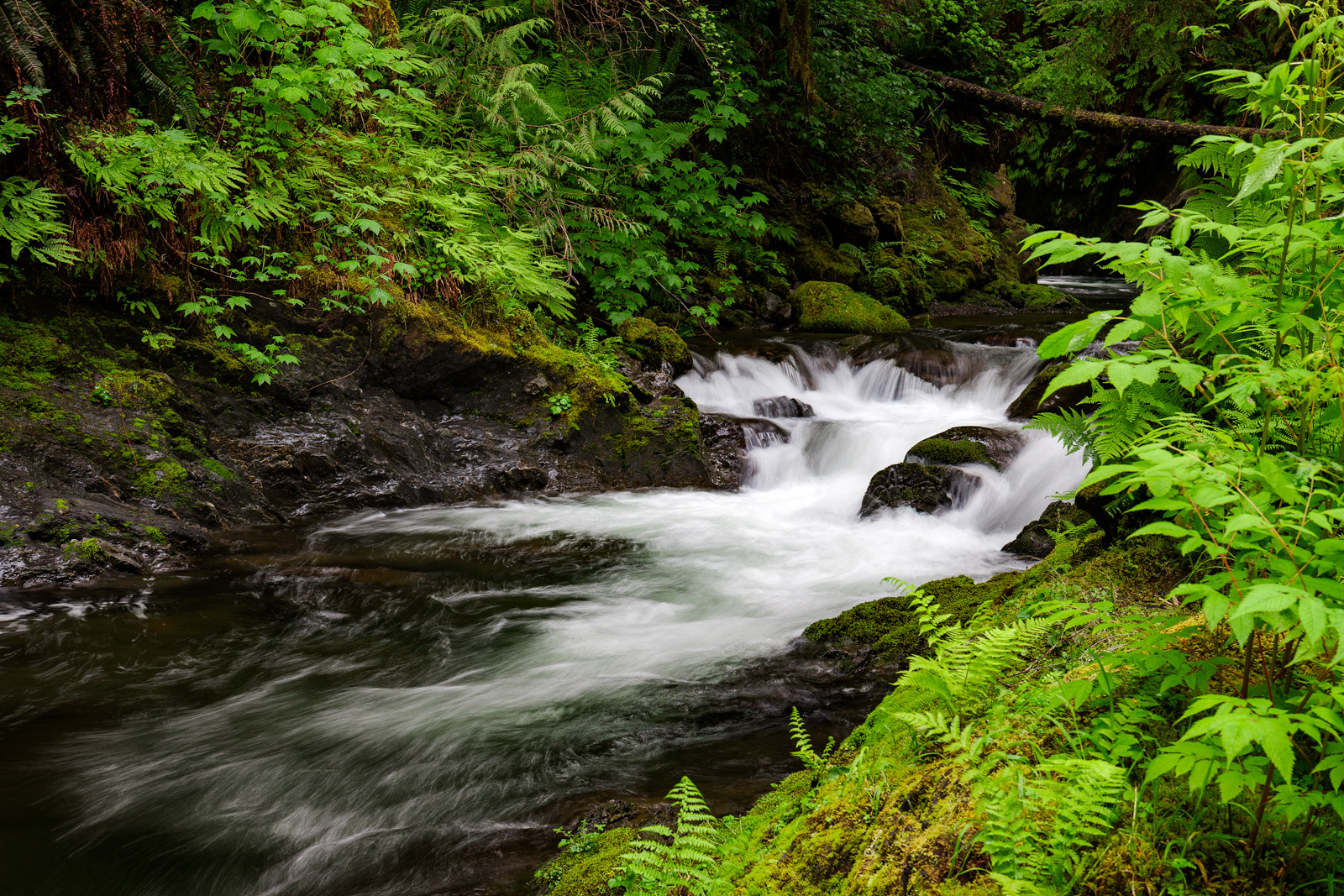
A 3.7-mile loop through old-growth rainforest and along the pristine Quinault River, offering a quieter rainforest experience than the popular Hoh. Spring brings abundant water features, including cascades and the powerful Quinault River. The trail winds through massive trees, mossy understory, and riverside terraces with elk viewing opportunities in early morning or evening.
Rialto Beach and Tide Pooling
📍 Rialto Beach and Tide Pooling

Rialto Beach and Tide Pooling

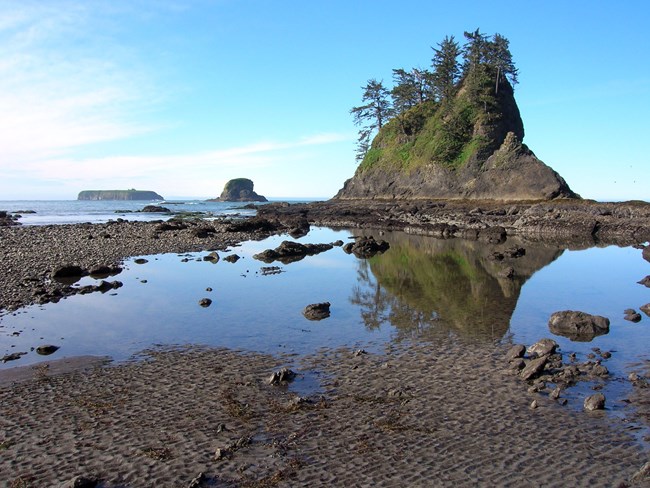
This accessible 1-mile walk leads to a dramatic beach famous for tide pools filled with colorful sea creatures. Spring low tides create optimal conditions for exploring starfish, anemones, crabs, and other intertidal life. The beach offers sea stacks, sea caves, and interesting shells. It's perfect for families and those seeking coastal exploration without strenuous hiking.

🍽️ Where to Eat

Discover fantastic dining options in the area.

🍽️ Forks Dining Room, American

Address: 321 South Forks Avenue, Forks, WA 98331
Specialty: Grilled salmon with local berries
Price Range: $$-$$$
Type: Full Service Restaurant
Why Visit: Upscale dining featuring Pacific Northwest cuisine and locally-sourced ingredients in a cozy atmosphere, perfect after hiking adventures.

🍽️ The Spruce Restaurant, Contemporary American

Address: 1137 South Forks Avenue, Forks, WA 98331
Specialty: Prime rib and fresh seafood
Price Range: $$-$$$
Type: Casual Fine Dining
Why Visit: Historic lodge setting with stone fireplace, excellent wine selection, and hearty portions ideal for hungry hikers.

🍽️ Campbell House Bed & Breakfast Restaurant, Pacific Northwest

Address: 3rd and Division Street, Port Townsend, WA 98368
Specialty: Fresh seafood with regional produce
Price Range: $$-$$$
Type: Intimate Dining
Why Visit: Victorian mansion setting on the Olympic Peninsula with creative preparations showcasing local ingredients, reservations recommended.

🍽️ River & Rails Restaurant, American Comfort Food

Address: 10 River Road, Port Angeles, WA 98362
Specialty: Burgers and local craft beers
Price Range: $-$$
Type: Casual Pub
Why Visit: Relaxed waterfront setting with views, perfect for families and budget-conscious travelers, extensive local beer selection.

🍽️ Café Strada, Italian & Mediterranean

Address: 8 Cedar Park Drive, Port Angeles, WA 98362
Specialty: Homemade pasta and wood-fired pizza
Price Range: $-$$
Type: Casual Trattoria
Why Visit: Warm atmosphere with reasonable prices, excellent for vegetarian options, great cappuccino, and authentic European comfort food.

❓ Frequently Asked Questions

Is Olympic National Park good for RV camping in spring?

Yes, spring is an excellent time for an Olympic National Park RV trip. The two in-park RV campgrounds (Hoh and Fairholme) operate year-round with no hookups, while nearby private RV parks in Forks and Port Angeles offer full amenities. Spring brings fewer crowds than summer, magnificent waterfalls from snowmelt, and wildflower blooms. Reserve early as these campgrounds fill quickly during spring weekends.

What is the best time to visit Olympic National Park?

Spring (April-May) and early summer (June-July) offer the best weather and accessibility. Spring features waterfalls at peak flow, wildflower blooms, and fewer visitors than summer. High-elevation roads like Obstruction Point typically open in late April. Winter is wet and many alpine trails are snow-covered; fall offers pleasant weather but shorter daylight hours.

How many days do I need for an Olympic National Park road trip?

Plan 5-7 days to experience all three major regions: the Hoh Rainforest, the alpine areas near Port Angeles, and the coastal wilderness. A shorter 3-4 day trip can focus on rainforest and one other region. Most visitors base themselves in Forks (for rainforest access) or Port Angeles (for alpine/coastal access) and take day trips rather than moving camp daily.